

International Dog Shipping Done Right
July 4th, 2026 | Uncategorized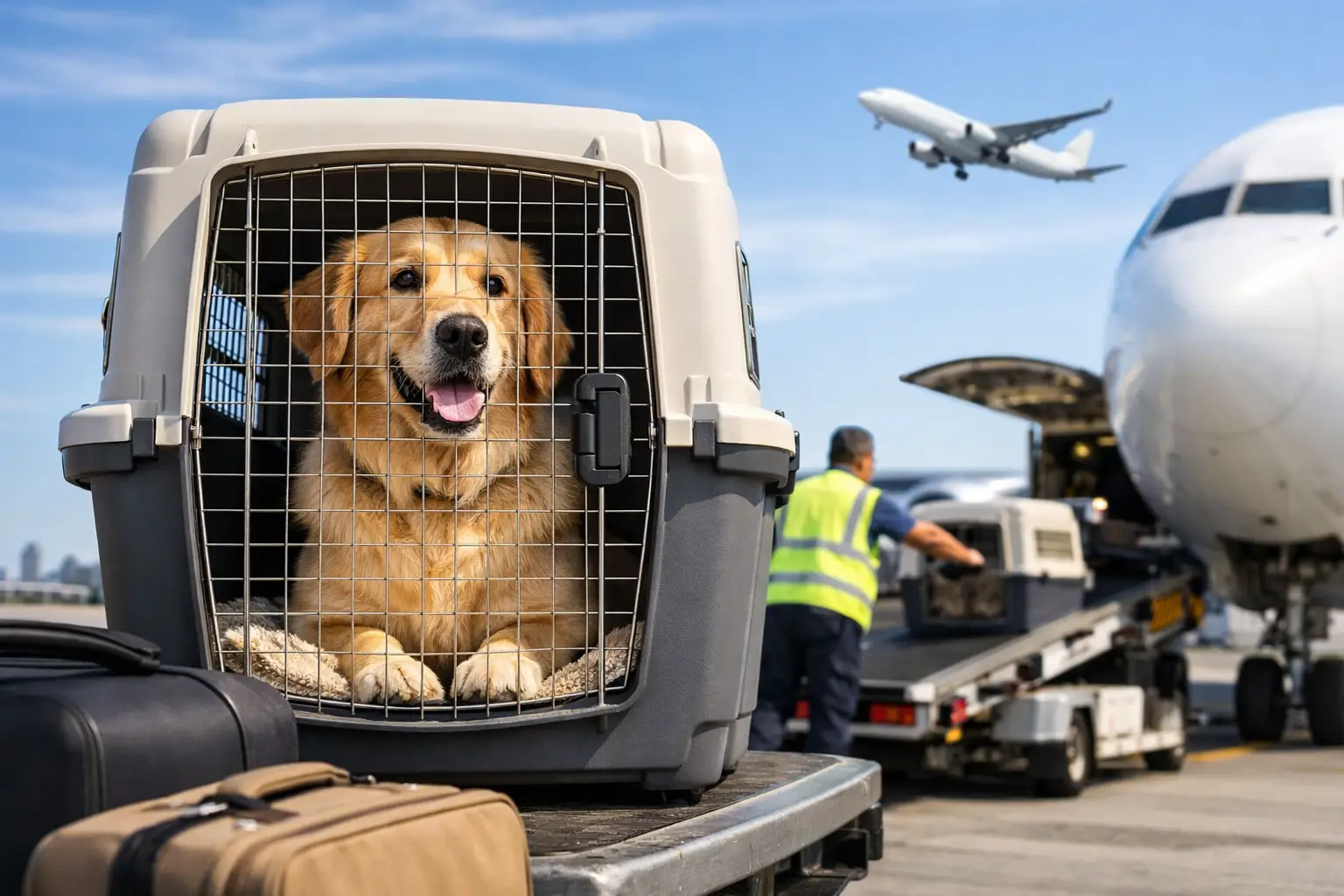
A missed vaccine window, one outdated form, or the wrong flight route can turn an already emotional move into a serious problem for your dog. International dog shipping is not just about booking a crate and a plane ticket. It is a coordinated process that affects your pet’s safety, your travel timeline, and whether your dog is even allowed to enter the destination country.
For families relocating abroad, the stakes are high because every country, airline, and transit point can have its own rules. Some dogs need import permits. Others need a rabies titer test months in advance. Brachycephalic breeds may face airline restrictions. And if your route involves the United States, CDC requirements can add another layer of compliance. The details matter, and the details change.
What international dog shipping actually involves
At a glance, people often assume the process is simple: vet visit, travel crate, airport drop-off. In reality, safe international dog shipping usually involves a sequence of decisions that must line up correctly. Those decisions include timing vaccinations, confirming microchip compliance, securing destination paperwork, choosing an airline-approved kennel, planning a route that avoids unnecessary stress, and arranging customs handling on arrival.
That is why pet relocation is part logistics and part regulatory management. A dog may be medically ready to travel but still not meet an airline’s breed policy. Or the airline may accept the booking, while the destination country requires documents to be endorsed within a specific time frame. Success depends on treating the move as a full process, not a last-minute booking.
Why dog shipping rules vary so much
No single standard governs every international move. Import requirements are set by destination countries, while flight acceptance is controlled by airlines and sometimes airport stations. Transit countries can add their own conditions if your dog leaves the secure area or changes carriers. Even climate and season can affect whether a route is considered safe.
This is one reason pet owners often feel overwhelmed. The requirements are not difficult because they are mysterious. They are difficult because they overlap. A compliant move means aligning veterinary deadlines, airline rules, customs procedures, and your own relocation schedule without gaps.
Country rules can change mid-process
This is especially relevant for longer timelines. Some destinations require preparation months ahead, particularly when rabies titers or import permits are involved. If policies shift while you are planning, the original checklist may no longer be enough. Working from outdated information is one of the most common reasons families run into delays.
Airline acceptance is not guaranteed
Even when a destination allows entry, an airline can still decline transport based on breed, weather, crate dimensions, route complexity, or operational limits at a specific airport. That is why routing matters as much as paperwork. The best itinerary is not always the shortest one. Sometimes the safer choice is the route with better handling conditions, more experienced cargo teams, or fewer risky connections.
The documents that usually matter most
Most international dog shipping cases start with core veterinary and identification records. A microchip must often be implanted before rabies vaccination to count as valid for travel. Health certificates usually need to be issued within a narrow time frame before departure. Some countries require government endorsement, and others require import permits to be approved before travel is booked.
For dogs entering or transiting certain countries, rabies status receives close scrutiny. If a destination is strict, a FAVN titer test may be part of the process, and the timing of that test can affect your entire moving schedule. If the United States is involved and your dog is coming from a CDC high-risk rabies country, additional procedures may apply. This is where professional coordination becomes less about convenience and more about avoiding preventable disruption.
Choosing the right travel plan for your dog
Not every dog should travel the same way. Age, size, breed, health history, and temperament all influence the best arrangement. A young, healthy dog with prior crate training may handle a direct flight very well. An older dog with medical considerations may need a more conservative route, extra veterinary review, or a different departure season.
Crate selection is another area where small mistakes have big consequences. The kennel must meet airline standards, but it also needs to fit the dog properly. Too small, and it is not safe or acceptable. Too large, and it may create avoidable handling issues or airline complications. Your dog should be able to stand, turn, and lie down comfortably.
Brachycephalic and sensitive breeds need extra planning
Short-nosed breeds, dogs with respiratory concerns, and dogs that become highly stressed in unfamiliar settings often require special consideration. Some airlines restrict these breeds entirely, while others limit travel during warmer months. That does not always mean the move cannot happen. It means route selection, season, and carrier choice need to be evaluated carefully and early.
How to prepare your dog before departure
Preparation should support comfort, not just compliance. Crate training ahead of travel is one of the most helpful steps an owner can take. A dog that sees the kennel as a familiar resting space is likely to experience less stress than one introduced to it days before departure.
Veterinary preparation should be equally intentional. Your dog should travel only when medically fit, and any existing conditions should be reviewed with a veterinarian who understands travel timing. Feeding schedules, hydration planning, and bathroom timing before check-in should be handled with care. Sedation is generally not recommended for air travel unless specifically advised by a veterinarian for a well-justified reason.
Owners also benefit from knowing what happens at each stage. Uncertainty creates stress. When you understand who handles check-in, how the airline processes live animals, what customs requires on arrival, and when reunion is expected, the process becomes more manageable.
Where international dog shipping often goes wrong
The biggest problems are rarely dramatic at the start. They are usually small errors that compound. A certificate is issued too early. A name does not match across records. A route is booked before confirming station acceptance. An import permit is assumed rather than secured. These issues can lead to denied boarding, arrival holds, or expensive rework of the plan.
Another common issue is trying to coordinate the move around a family’s travel date without enough lead time for the dog’s requirements. Human relocation schedules are often fixed. Pet travel rules are not always flexible. When those timelines conflict, the dog’s move may need to be adjusted for compliance and welfare reasons.
When full-service support makes the biggest difference
Some pet owners are comfortable managing straightforward domestic trips on their own. International moves are different because the margin for error is small and the consequences can be significant. Full-service support is especially valuable when your route includes multiple countries, hard-to-navigate customs processes, complex rabies rules, or departures from regions where export procedures require local expertise.
This is where a consultative approach matters. Instead of giving you a generic checklist, a relocation specialist evaluates your dog, your destination, your timing, and your route as one connected plan. That includes document review, airline coordination, customs handling, and communication throughout the journey. For families moving to or from Central America, this kind of regional knowledge can be particularly useful because procedures can vary in ways that are not always obvious from general travel guidance.
Planet Pet Relocation works in exactly this space, helping families manage the administrative burden while keeping the dog’s safety and comfort at the center of the move.
What a well-managed move should feel like
A good international dog shipping experience should not feel improvised. You should know what is required, when each step happens, and who is responsible for it. You should have realistic expectations about timing, route options, and possible limitations. Most of all, you should feel that your dog is being treated as family, not cargo.
That does not mean every move is identical or perfectly simple. Some require extra lead time. Some require alternate routing. Some require patience while permits or endorsements are completed. But with careful planning, clear communication, and welfare-focused coordination, complex does not have to mean chaotic.
If you are planning a move with your dog, start earlier than you think you need to and build the travel plan around compliance and comfort, not just convenience. The right support can turn a stressful international move into a safe, orderly journey that ends where it should – with your dog home beside you.

