

Pet Customs Costa Rica for Smooth Arrivals
June 28th, 2026 | Uncategorized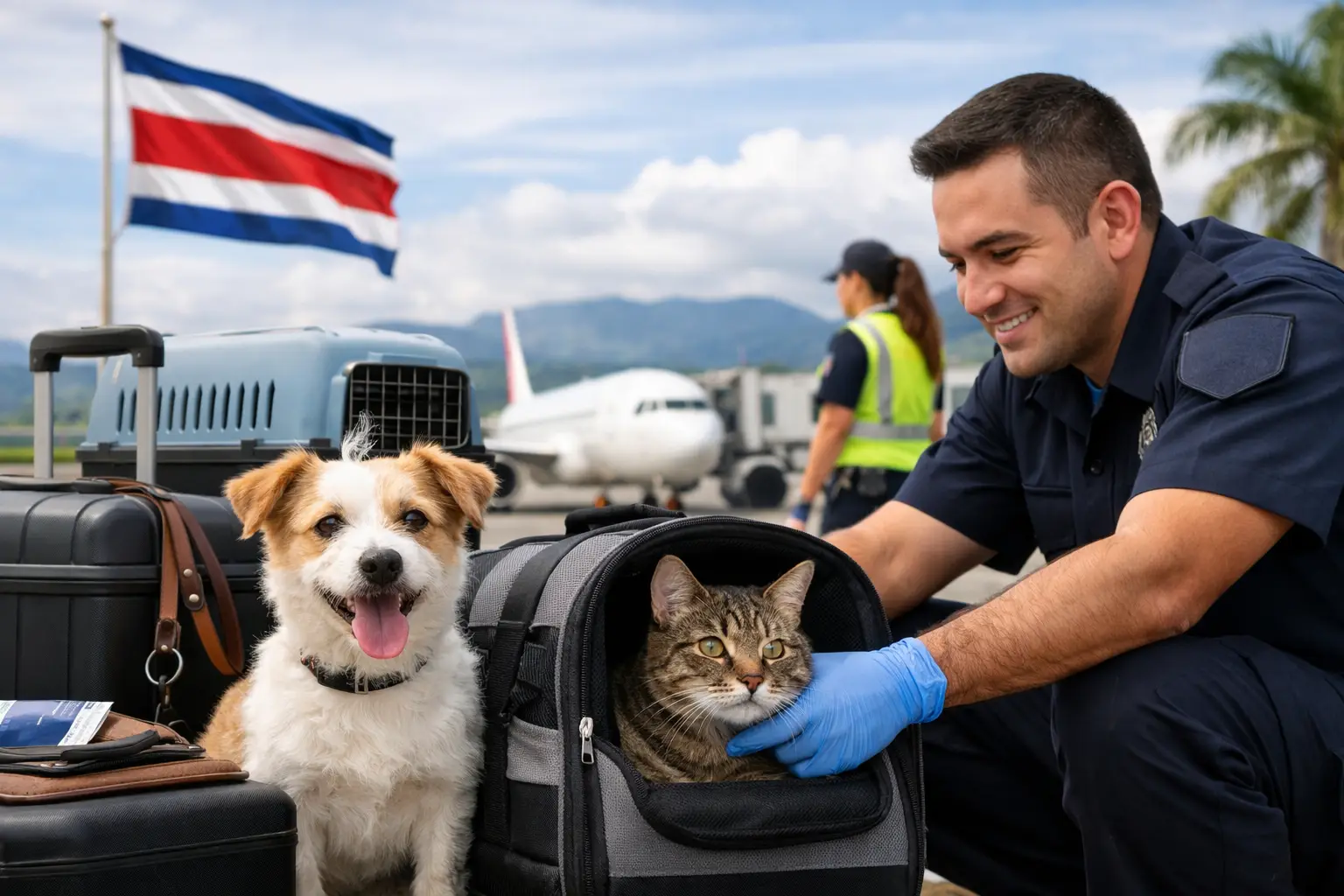
A pet can be fully cleared for travel and still get held up at the last step if the arrival process is not handled correctly. That is why pet customs Costa Rica deserves just as much attention as airline booking, crate setup, and veterinary paperwork. For families relocating with a dog or cat, customs is where preparation either pays off or starts to unravel.
Costa Rica is a very doable destination for pet travel, but it is not a place where guesswork is a good strategy. Import requirements, health documents, flight timing, and arrival handling all need to line up. If one detail is missing or inconsistent, the result can be delays, added stress, or a pet waiting longer than necessary after landing.
What pet customs Costa Rica actually involves
Many owners hear the word customs and think only of luggage checks or passport control. With pets, the process is more specific. It usually involves document review, confirmation that veterinary requirements were met before travel, and coordination with airport or government authorities responsible for animal entry.
For a dog or cat arriving in Costa Rica, customs handling is not just about proving ownership. Authorities may review the health certificate, vaccination history, identification details, and the timing of document issuance. They may also look closely at whether the information on the airline booking matches the information on the veterinary paperwork.
This is where small inconsistencies can matter. A typo in a pet’s name, an outdated microchip record, or a health certificate issued outside the accepted timeframe can create unnecessary friction. None of these problems are dramatic on paper, but at an airport, they can slow down release.
Why Costa Rica arrivals can feel more stressful than departure
Departure planning tends to get most of the attention because owners are focused on flight rules, crates, and check-in requirements. Arrival is different. You are tired, your pet has just completed a flight, and you are relying on local processes to move quickly. That makes customs feel more intense, even when the paperwork is mostly in order.
Costa Rica also requires travelers to think in terms of sequence. The veterinary documents must be prepared correctly before departure. The airline booking must reflect the pet accurately. The arrival timing must allow the pet to be processed properly upon landing. If one part of that chain is weak, the arrival process gets harder.
This is one reason full-service support matters so much. Customs is not a standalone event. It is the final checkpoint in a longer compliance process.
The documents that usually matter most
The exact document set can vary based on route, origin country, and whether the pet is traveling as accompanied baggage, manifest cargo, or under a relocation program. Still, the same core items tend to matter again and again.
A valid veterinary health certificate is central. This document must usually be issued within the required timeframe before travel and completed in a format acceptable for the destination. Rabies vaccination records are also critical, especially for dogs and cats coming from countries where authorities expect proof of current vaccination.
Owners should also expect the pet’s identifying information to be consistent across all records. If a microchip is used, the number should match exactly. If the pet’s breed, age, sex, or color appears differently from one document to another, that can trigger questions that slow release.
Some routes may require additional endorsements or supporting paperwork before departure. That is where general internet advice often falls short. A document that worked for one traveler on one route may not be enough for another.
Timing is often the issue, not the document itself
One of the most common problems in pet customs Costa Rica is not that owners forgot a document altogether. It is that the document was completed too early, endorsed too late, or attached to a flight schedule that changed after paperwork was issued.
This is especially important when travel plans shift. If a flight is delayed, rebooked, or split across multiple segments, the original timing of the health certificate may no longer align with entry requirements. The document may still look valid to the owner, but the authorities reviewing it at arrival may see a timing problem.
That is why pet relocation planning should account for real-world travel disruptions. It is not enough to build a perfect schedule on paper. You need a plan that can absorb airline changes without putting the pet’s entry at risk.
Common reasons pets get delayed at customs
Delays usually happen for practical reasons, not dramatic ones. In most cases, customs problems come down to incomplete preparation, document mismatch, or poor coordination between the travel booking and the compliance file.
A health certificate may be missing a required stamp or signature. The rabies record may show dates that do not align with entry expectations. An owner may arrive assuming the pet can be collected immediately, only to find that additional clearance steps are still pending. In some cases, the pet arrives under a different transport category than expected, which changes how release must be handled.
Even when the pet is perfectly healthy and clearly well cared for, customs decisions are based on documentation and process. That can be frustrating for owners, but it is also why experienced handling makes such a difference. The goal is to catch administrative problems before they become airport problems.
How to make the arrival process smoother
The best approach is to treat Costa Rica customs as part of the travel plan from day one, not as something to deal with after the flight is booked. That means confirming requirements early, checking the route carefully, and making sure your veterinary timeline fits your actual departure and arrival schedule.
It also helps to review every detail exactly as customs officers will see it. Is the pet’s name consistent everywhere? Do the vaccine dates make sense in sequence? Does the airway bill or airline booking match the documents? Are there any handwritten corrections that could raise questions? These checks sound minor, but they prevent a surprising number of delays.
Owners should also build realistic expectations around arrival day. Even a well-prepared entry can take time. Customs release is a process, not a handoff at the aircraft door. Planning for that emotionally is just as helpful as planning for it logistically.
When professional support makes the biggest difference
Not every pet move requires the same level of involvement. Some owners are comfortable managing routine paperwork when the route is straightforward and timing is simple. But there are situations where professional help is especially valuable.
If you are relocating on a tight timeline, traveling from a country with additional animal import controls, moving multiple pets, or dealing with a breed or routing issue that could affect airline acceptance, the margin for error gets smaller. The same is true if your pet is traveling as cargo or if someone else is receiving the pet on arrival.
In those cases, customs handling is not just about having forms ready. It is about coordinating veterinarians, airlines, document review, and arrival procedures so the pet can be released with as little disruption as possible. Companies like Planet Pet Relocation are built for exactly this kind of coordination, especially when the route involves Central America and the stakes are high for both pet and family.
The emotional side of customs is real
For most families, this is not a paperwork project. It is a move involving a beloved animal in the middle of a major life change. Customs delays feel bigger when your pet has been in transit for hours and you are standing in a new country waiting for clearance.
That is why clear communication matters so much. Owners do better when they understand what will happen after landing, who will review the file, how release works, and what kind of wait is normal. Confidence comes from knowing the process, not from hoping it goes quickly.
A calm, well-managed arrival protects more than compliance. It protects the reunion at the end of the trip. That moment should feel like relief, not confusion.
Final checks before your pet flies
Before travel, it is worth doing one last full review focused only on arrival. Confirm the latest entry requirements, verify that all health and vaccine records match, and make sure the flight plan still aligns with document timing. If any part of the route has changed, do not assume the paperwork still works without review.
Costa Rica is a destination where good preparation pays off. When customs is handled carefully, pets can arrive safely, be cleared properly, and move on to the part that matters most – settling in with their family.

