

Export Pet El Salvador Without Costly Delays
June 20th, 2026 | Uncategorized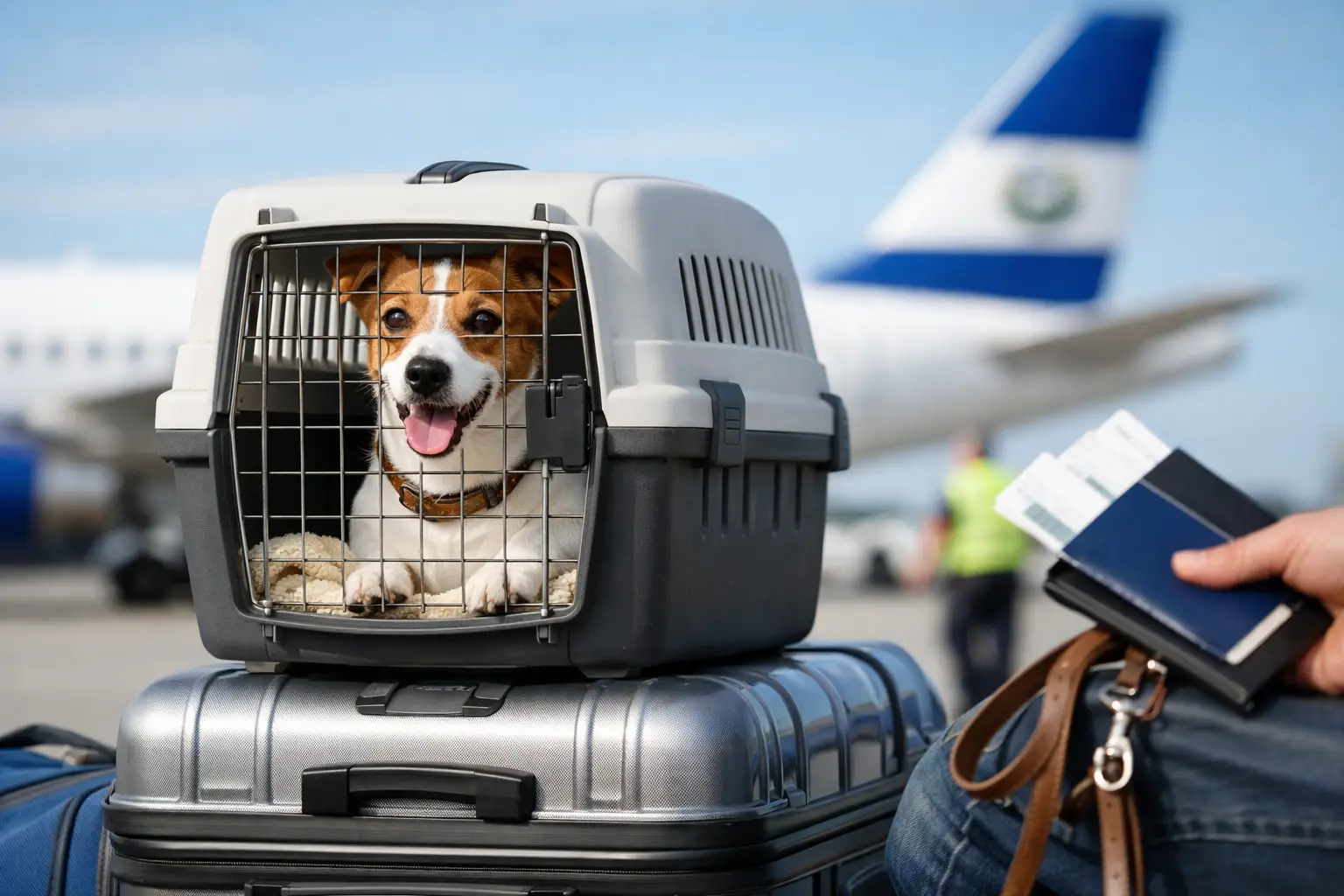
A missed signature, an expired vaccine window, or the wrong airline kennel can turn a planned move into a painful delay. If you need to export pet El Salvador, the process is very manageable, but only when every detail lines up at the right time. For most families, the challenge is not just getting documents together. It is making sure the paperwork, veterinary schedule, airline booking, and destination rules all match.
That is where pet relocation becomes more than a shipping task. You are not moving cargo. You are moving a family member, often during a larger international relocation with tight timelines and little room for error.
What export pet El Salvador really involves
When people hear “pet export,” they often think it starts and ends with a flight reservation. In reality, exporting a pet from El Salvador usually involves several moving parts that must be coordinated in sequence. Your pet may need updated vaccinations, a health certificate, government endorsements, airline-approved travel arrangements, and destination-specific documents. In some cases, there may also be microchip requirements, blood testing, or special breed and routing restrictions.
The key issue is that these steps are not interchangeable. A health certificate completed too early may no longer be valid by departure. A rabies vaccine given outside the required timeframe can create entry problems on arrival. Even if your paperwork is correct, an airline may still refuse check-in if the kennel does not meet size or ventilation rules.
This is why timing matters as much as the documents themselves. A successful move depends on planning backward from the travel date and confirming each checkpoint before the pet gets to the airport.
The documents most pet owners need
The exact requirements depend on where your pet is going, but most export cases from El Salvador include a core set of documents. These typically begin with current vaccination records and a veterinary health certificate. Many destinations also require proof of rabies vaccination, and some require the pet to be microchipped before the rabies vaccine is administered.
For certain countries, a rabies antibody titer test may be necessary. This is one of the most common areas where delays happen because the blood draw, laboratory processing, and waiting period can add significant time. If your destination has this rule, it is better to identify it early rather than after flights have already been discussed.
Government approvals may also be required before departure. Depending on the route and destination, paperwork may need review or endorsement by the relevant authorities. This is one of those areas where “almost correct” is not good enough. Small discrepancies between the owner name, vaccine date, microchip number, or destination address can cause last-minute problems.
Airline rules can change the plan
Airlines do not all handle pets the same way. Some accept pets in cabin on limited routes, some allow checked pet travel under specific conditions, and some only move pets as manifest cargo. On top of that, policies can change based on aircraft type, season, temperature limits, layover times, and country restrictions.
For families leaving El Salvador, this means the best route on paper may not be the safest or most practical route for the pet. A shorter itinerary is not always the better one if the layover airport has poor pet handling options or if the connection time is too tight for cargo processing. Likewise, a direct route may sound ideal but still fail if the airline has a seasonal embargo.
Kennel compliance is another frequent issue. The crate must be large enough for the pet to stand, turn, and lie down comfortably, while also meeting airline construction standards. A pet can have perfect paperwork and still be denied boarding because the kennel is too small, missing required hardware, or labeled incorrectly.
Timing is where many exports succeed or fail
If you are preparing to export pet El Salvador, start with your destination country’s rules before setting a flight date. That order matters. Some countries allow relatively straightforward entry with current vaccines and a recent health certificate. Others require weeks or months of lead time because of testing, approvals, or quarantine-related protocols.
A practical timeline often begins several months ahead for complex destinations and at least a few weeks ahead even for simpler ones. The first phase is confirming destination requirements and reviewing your pet’s current records. The next is updating anything that does not match the entry rules, such as microchip sequence, vaccine timing, or test requirements. After that, the route and airline strategy can be built around what your pet needs medically and logistically.
The final pre-departure period is usually the most sensitive. Health certificates often have narrow validity windows. Airline bookings need reconfirmation. Some destinations require original paperwork to travel with the pet, while others may expect advance submission. This is also when owners are often busiest with their own household move, which is exactly why details can be missed.
Common complications and how to avoid them
The most common export problems are preventable. One is assuming import rules are the same for every country. They are not. Another is relying on general airline information without checking the specific route, aircraft, and pet handling policy for that booking.
Document mismatch is another major problem. If the microchip number on the lab result does not exactly match the number on the vaccine certificate and health certificate, that inconsistency can cause serious issues. The same applies to owner names, travel dates, and destination details.
There is also the issue of pet fitness to fly. Age, breed, medical history, anxiety level, and weather exposure all affect travel planning. A route that works for one dog may not be appropriate for another. Brachycephalic breeds, senior pets, and animals with chronic conditions often need more careful routing and veterinary review.
This is where professional coordination adds real value. It is not just about filling out forms. It is about seeing where one requirement affects another and resolving those conflicts before they become airport problems.
Why personalized planning matters
No two pet moves are exactly alike. A family relocating to the United States with a dog may face one set of rules, while a cat traveling onward to Europe may face another. Even within the same destination, the travel plan can change depending on whether the owner is flying on the same itinerary, whether the pet qualifies for in-cabin travel, or whether customs clearance needs to be arranged on arrival.
A personalized export plan should account for your pet’s size, breed, health status, destination requirements, and your own moving schedule. It should also include practical support like crate guidance, document review, departure coordination, and communication throughout the process.
For many families, the greatest relief comes from knowing someone is tracking the details. International pet travel can feel emotionally heavy because the stakes are high. You are trying to protect your pet, comply with regulations, and keep your broader move on schedule all at once. Clear planning reduces stress because it replaces uncertainty with a sequence you can trust.
When expert help makes the biggest difference
Some pet owners can manage simpler exports on their own, especially when the destination has minimal entry requirements and the route is straightforward. But there are situations where expert support becomes especially valuable. Tight deadlines, multi-country routes, destination testing requirements, cargo bookings, customs handling, and changes in public health rules can all create complications quickly.
That is particularly true when Central America is part of the route and regional procedures need to align with destination-country rules. A provider with hands-on experience in these corridors can often spot issues earlier, coordinate more efficiently with veterinarians and airlines, and help avoid avoidable rework.
Planet Pet Relocation supports families through that process with end-to-end coordination focused on safety, compliance, and communication. For owners balancing an international move with the wellbeing of a beloved pet, that kind of support can make the journey feel far more manageable.
A smoother departure starts before travel day
The best pet exports are usually the least dramatic ones. The documents are checked early, the route is chosen carefully, the kennel fits properly, and every deadline is met before the airport becomes stressful. That kind of outcome rarely happens by accident.
If your pet is leaving El Salvador, give the process enough time and treat every requirement as connected to the next one. A calm departure is built long before check-in, and your pet will benefit from every decision made with care.

