

How to Transport a Cat Overseas Safely
June 24th, 2026 | Uncategorized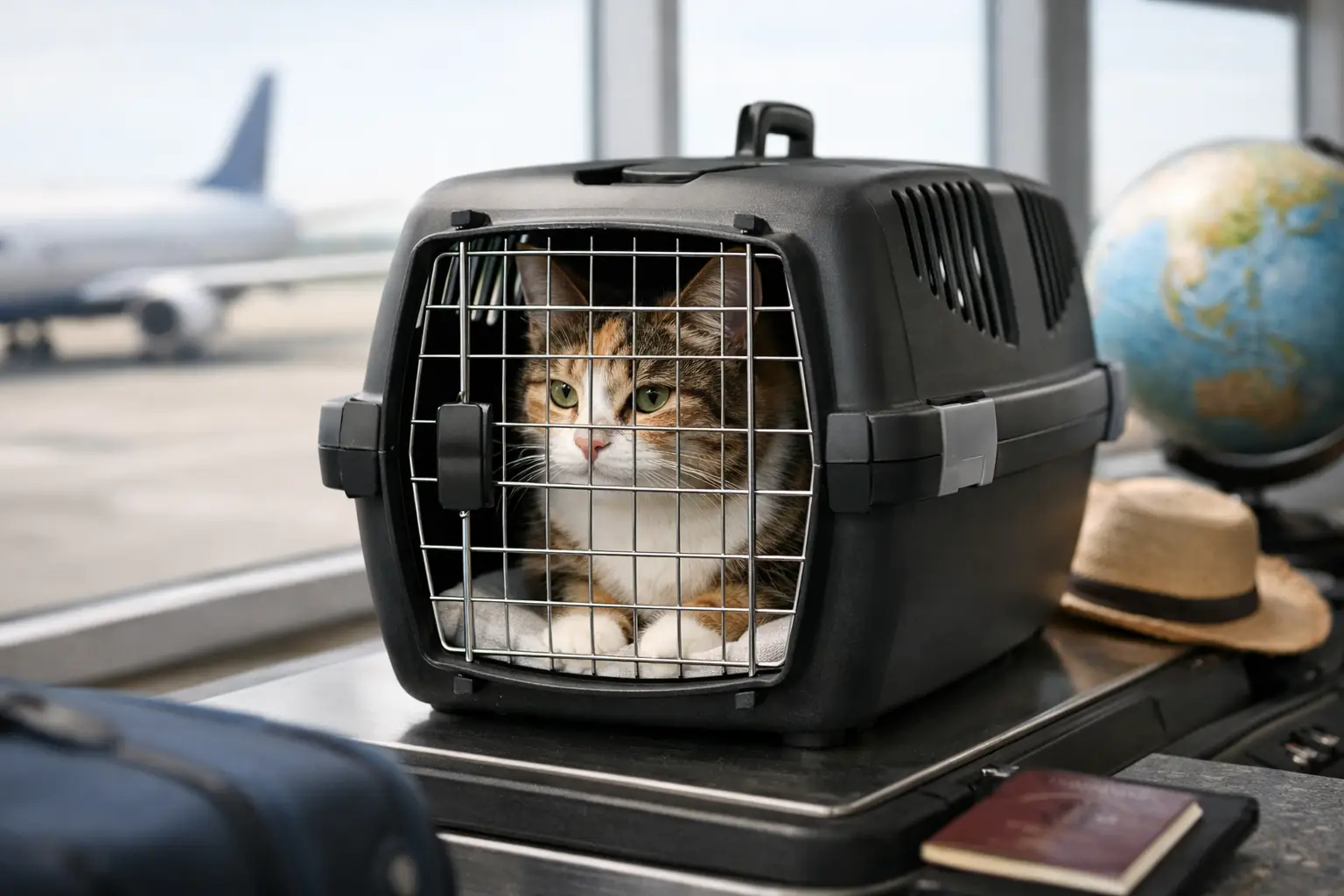
Moving abroad gets complicated fast when your cat is part of the plan. If you are figuring out how to transport a cat overseas, the biggest mistake is treating it like a last-minute booking. International pet travel is a coordinated process involving veterinary timing, airline rules, import regulations, crate preparation, and arrival planning. When one piece is missed, delays and denied boarding can follow.
For most families, the challenge is not just getting a cat from one country to another. It is doing it safely, legally, and with as little stress as possible for both the pet and the people involved. That is why preparation matters so much.
How to transport a cat overseas without avoidable delays
The first step is confirming the import requirements for your destination country, and sometimes any transit country as well. Some countries require a microchip before rabies vaccination. Others require a health certificate issued within a narrow window before departure. Some have parasite treatment rules, import permits, quarantine requirements, or document endorsements that must happen in a specific order.
This is where international cat travel becomes less about buying a ticket and more about managing a timeline. A healthy cat with the wrong paperwork can still be refused travel. A correctly timed document package is just as important as the flight itself.
Owners are often surprised by how early they need to begin. If your destination requires rabies antibody testing, permit approval, or limited-entry scheduling, the process can take weeks or even months. Starting early gives you room to handle veterinary appointments, government processing, and airline availability without rushing your cat through unnecessary stress.
Start with your destination, not your departure airport
It is natural to look at flights first, but the destination country sets the real rules. Airline options only matter after you know what is legally required on arrival. A route that looks convenient may not work if a transit airport has pet restrictions, if the layover is too long, or if your cat cannot enter the destination on the documents you have.
A careful relocation plan accounts for all of it – export rules, transit handling, import procedures, customs clearance, and the welfare of the animal throughout the trip.
The documents your cat may need
Documentation varies by country, but the basics are consistent. Most international moves involve a microchip, current rabies vaccination, veterinary records, and an international health certificate. Depending on the route, you may also need an import permit, laboratory testing, parasite treatments, or official endorsement from a government authority.
The key issue is not just having the documents. It is having the right documents completed in the right sequence. If a rabies vaccine was given before the microchip was implanted, some countries may not accept it. If the health certificate is issued too early, it may expire before arrival. If an endorsement is missing, the airline may reject check-in even if everything else looks correct.
That is one reason many pet owners choose a full-service relocation partner. There is less room for guesswork, especially on complex routes or moves involving Central America, the United States, or multiple border crossings.
Cabin or cargo depends on your cat and your route
Many people assume a cat should always travel in the cabin. Sometimes that is possible, and sometimes it is not. Airline policies differ by route, aircraft type, destination, and even seasonal restrictions. Your cat’s size, carrier dimensions, and the countries involved all affect whether in-cabin travel is allowed.
For smaller cats on eligible routes, cabin travel can be a good option. It keeps the pet close to the owner and shortens handoff points. But cabin travel still comes with strict carrier rules, check-in procedures, and documentation requirements.
Manifest cargo can sound intimidating, but it is often the correct and compliant option for international relocation. When arranged properly, it is designed around animal transport standards, approved travel kennels, and airline procedures for live animals. On certain routes, especially those involving international customs handling or destination-specific import controls, cargo is not second best – it is the required pathway.
The right choice depends on compliance, safety, and what your cat can reasonably tolerate. A calm cat on a short direct flight may do well in cabin if permitted. A long-distance move with strict import processing may require a professionally coordinated cargo itinerary.
Crate training matters more than most owners expect
A travel crate should not be introduced on departure day. Cats cope better when the kennel is already familiar and associated with safety. That means setting it up at home well in advance, leaving the door open, placing bedding inside, and using treats or meals to build positive associations.
For cargo travel, the kennel must meet airline standards for size, ventilation, structure, and labeling. Your cat should be able to stand, turn around, and lie down comfortably. A crate that is too small can be rejected. One that is oversized for airline acceptance may also create problems.
Comfort matters, but so does practicality. Bedding should be absorbent and secure. Water arrangements must follow airline rules. Identification should be clear and durable. Sedation is generally discouraged unless specifically advised by a veterinarian for a particular medical reason, because sedatives can affect breathing, balance, and temperature regulation during travel.
How to help your cat adjust before travel
The goal is not to eliminate stress completely. It is to lower it to a manageable level. Keeping feeding, litter, and rest routines consistent in the days leading up to travel can help. So can short practice sessions in the crate and calm handling around the carrier.
If your cat is especially anxious, speak with your veterinarian early. There may be behavior-support strategies or travel-friendly recommendations that are safer than last-minute medication.
Flight planning is about welfare, not convenience alone
The best itinerary is rarely just the cheapest or shortest on paper. Direct flights are often preferable because they reduce transfers and handling. When a direct route is not available, layovers need to be planned carefully. Too short, and there may not be enough time for proper transfer. Too long, and the journey becomes harder on the pet.
Weather also matters. Some airlines restrict pet travel during periods of extreme heat or cold. Breed, age, health status, and overall resilience should be part of the planning conversation. Senior cats, cats with medical conditions, and very young kittens may need extra review before any route is confirmed.
This is where experience makes a difference. A well-built travel plan accounts for airport procedures, airline embargoes, customs schedules, and backup options if something changes.
Arrival is part of the transport process too
A successful departure does not guarantee a smooth arrival. Some countries require inspection on landing, document presentation to customs, or pre-arranged clearance before the pet can be released. If paperwork is incomplete or the arrival steps are not properly coordinated, your cat may face delays after landing even if the flight itself went well.
That is especially relevant on international moves where owners are also managing their own immigration process, housing, and family logistics at the same time. Having support with arrivals, customs handling, and final delivery can remove a major burden during an already demanding relocation.
When professional help makes the most sense
Some straightforward routes are manageable for experienced travelers who have time to research every step. But many overseas cat relocations are not straightforward. If your move involves a country with strict veterinary timing, complex endorsements, limited airline options, or customs procedures that must be handled correctly on arrival, expert coordination can protect both the schedule and your pet’s welfare.
A service-based relocation team does more than book transport. It helps map the timeline, confirm document sequencing, coordinate with veterinarians, work within airline rules, and keep communication clear from departure through arrival. For families relocating to or from Central America, that kind of regional experience can be especially valuable because requirements and airport processes are not always intuitive.
Planet Pet Relocation supports this kind of planning with a focus on compliance, safety, and communication, which is exactly what most pet owners need when the move feels personal and high stakes.
A calmer move starts with the right plan
If you are wondering how to transport a cat overseas, the real answer is to plan around your cat’s welfare and your destination’s rules at the same time. The paperwork, kennel prep, airline selection, and arrival process all need to work together. When they do, international travel becomes far more predictable and far less stressful.
Your cat does not need a perfect trip. Your cat needs a well-managed one, handled with care from the first document to the final reunion.

