

Pet Shipping to Guatemala Without Last-Minute Delays
August 3rd, 2026 | Uncategorized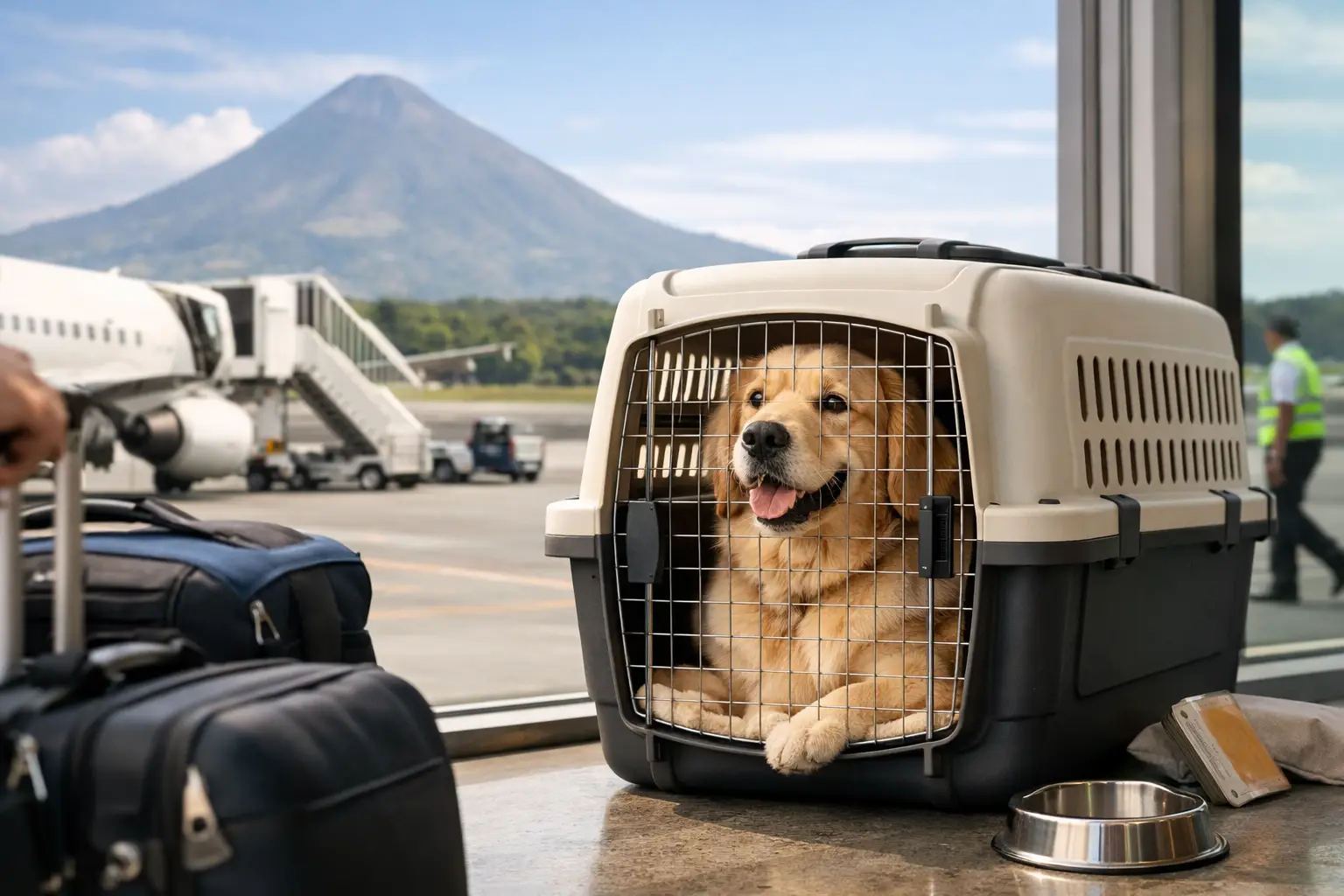
A missed signature, an expired rabies record, or a crate that does not meet an airline’s requirements can turn pet shipping to Guatemala into a stressful airport delay. For families moving with a dog or cat, the goal is not simply getting a pet on a flight. It is arranging a safe, compliant journey that protects your pet’s comfort and gets your family reunited as smoothly as possible.
International pet travel has several moving parts: veterinary preparation, government paperwork, airline booking, crate planning, and arrival procedures. Each one affects the next. Starting early gives you room to address changes without putting your pet’s travel date at risk.
What Pet Shipping to Guatemala Requires
Guatemala’s import process is designed to protect animal and public health. The exact documentation can vary based on your pet’s species, country of origin, itinerary, and current government requirements, but dogs and cats commonly need a valid veterinary health certificate, vaccination documentation, and proof of parasite treatment. Rabies vaccination records are especially important and must be valid for travel under the applicable rules.
Timing matters as much as the documents themselves. Health certificates are generally issued within a limited period before departure, so an exam completed too early may not be accepted on arrival. On the other hand, leaving the veterinary appointment until the final days can create unnecessary pressure if a document needs correction or a required treatment has not been completed.
A good relocation plan begins with a review of your pet’s full travel history and current records. This is particularly important for pets that have lived in multiple countries, have connecting flights, or are traveling from locations with additional animal health controls. A document that was accepted on a previous trip may not be enough for a new route.
Veterinary records need to match exactly
Names, dates, microchip numbers, and owner details should be consistent across every record. Small inconsistencies can lead to questions at airline check-in or during customs review. For example, a shortened owner name on one certificate and a legal name on another may be easy to explain, but it is better to correct it before travel.
If your pet is microchipped, confirm the chip can be scanned and that the number appears accurately on the health documentation. A microchip is not always the only requirement, but it can be a key identifier connecting your pet to the rest of the file.
Airline Planning Is About More Than a Flight
Not every airline accepts pets on every route, and policies can differ by aircraft, season, pet size, breed, and whether a pet travels in the cabin or as checked baggage or cargo. A route that looks simple for people may not be suitable for a pet.
For many international moves, cargo travel is the safest and most practical arrangement, particularly for larger dogs or pets traveling without their owner. Cargo does not mean a pet is treated like ordinary luggage. When properly arranged, it involves specialized handling, an airline-approved kennel, scheduled acceptance procedures, and coordination with ground teams. The right choice depends on the animal, the flight, and the origin and destination requirements.
Weather is another factor. Airlines may restrict pet travel during periods of extreme heat or cold, especially when the journey includes outdoor transfers or a connection. Guatemala’s climate and the conditions at the departure or transit airport should be reviewed well before the booking is finalized.
Breed considerations also deserve early attention. Some airlines have restrictions for snub-nosed breeds because these pets can face elevated respiratory risk in stressful or warm conditions. An experienced planner will look for routes and travel windows that support the pet’s welfare rather than forcing a convenient human itinerary.
Choosing the Right Travel Crate
Your pet’s crate is their travel space, so it needs to be correctly sized, secure, and accepted by the airline. A crate that is too small can be refused at check-in. One that is much too large may be harder to handle safely and may not fit the aircraft’s cargo configuration.
A dog or cat should be able to stand without their head touching the top, turn around comfortably, and lie down in a natural position. The crate should have proper ventilation, secure hardware, an absorbent lining, and attached water provisions appropriate for air travel. Airline rules may also specify materials, door construction, and labeling.
Crate training is one of the most useful preparations a family can make. Begin well before departure by allowing your pet to explore the crate at home with familiar bedding and positive reinforcement. Short, calm periods inside help the crate feel like a safe resting place instead of a sudden, unfamiliar confinement on travel day.
Avoid sedating a pet for air travel unless a veterinarian has specifically advised it and the airline permits it. Sedation can affect balance, breathing, and the ability to regulate body temperature at altitude. Most pets travel better with careful planning, a familiar crate, and a calm handoff than with medication intended to make them sleepy.
Arrival, Customs, and the First Hours in Guatemala
Landing is not the end of the process. Your pet must be presented for the required arrival inspection and customs procedures before release. This may include a review of health records, import documents, and the pet’s condition. The time involved depends on the airport, flight schedule, volume of arrivals, and whether documents are complete.
The most stressful arrivals usually share a common cause: paperwork was treated as an afterthought. A family may have all the right records but lack a required copy, have a certificate with an incorrect date, or arrive without understanding where the pet will be collected. Advance coordination prevents these avoidable surprises.
After clearance, offer water, a quiet break, and an opportunity for your pet to relieve themselves as soon as it is appropriate. Keep the first day low-key. Even confident travelers may need time to adjust after a long flight, unfamiliar sounds, and a new climate. Watch for signs of dehydration, digestive upset, or unusual fatigue, and contact a local veterinarian if you have concerns.
When Full-Service Coordination Makes a Difference
Pet relocation is often happening alongside a larger move: visa deadlines, household shipments, school enrollment, job changes, and unfamiliar airports. That is why many families prefer a specialist to manage the travel sequence rather than attempting to interpret every rule on their own.
A full-service pet relocation plan can coordinate veterinary document requirements, airline options, crate guidance, flight reservations, export formalities, arrival handling, and communication throughout the journey. It also provides a practical point of contact if an airline schedule changes or a document needs urgent clarification. For pets moving through Central America or on worldwide routes, regional experience can make a meaningful difference when local procedures are involved.
Planet Pet Relocation approaches each move as an individual plan because no two pets, routes, or family timelines are identical. A senior dog, a young cat, a large-breed pet, and a family traveling with multiple animals may all require different airline and handling solutions. Careful coordination is not an extra step. It is what allows the journey to stay focused on safety, compliance, and your pet’s well-being.
A Better Way to Prepare for Travel Day
Begin gathering records as soon as you know a move may happen, even if the flight is not booked yet. Confirm your pet’s vaccination status, locate prior certificates, and make sure your veterinarian understands the destination and intended travel date. Then build the itinerary around what your pet needs, not only what looks fastest on a booking screen.
On departure day, arrive with time to spare, follow feeding guidance from your veterinarian and travel coordinator, and keep your own energy steady. Pets often respond to the people they trust. The most reassuring thing you can give them is a well-prepared journey and the confidence that someone has accounted for the details waiting on the other side.

