

Pet Transit Handling: What Keeps Travel Safe
October 22nd, 2026 | Uncategorized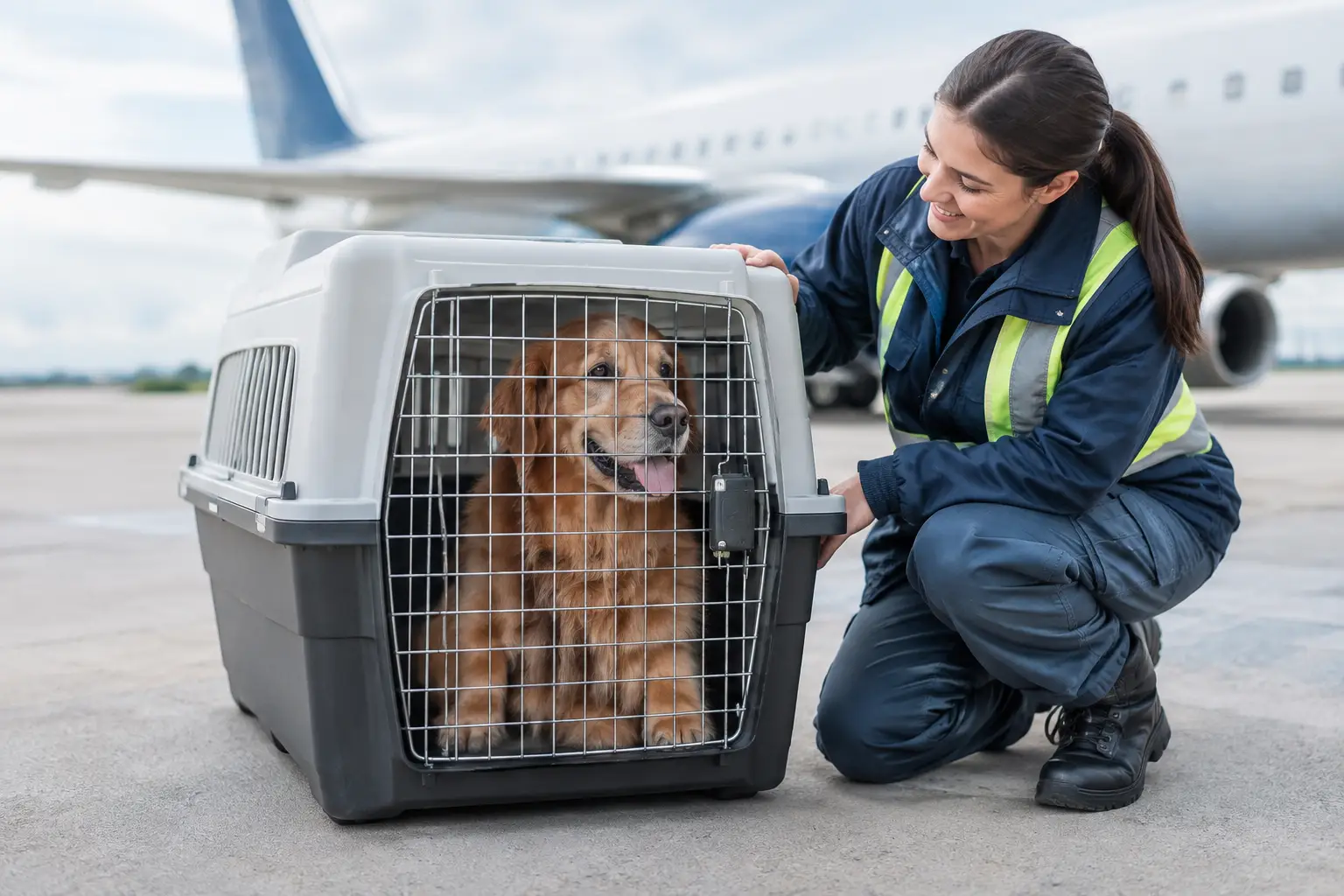
A pet’s flight may last a few hours, but pet transit handling starts long before departure and continues until your companion is safely released at the destination. The most stressful problems rarely happen in the air. They happen when documentation does not match, an airline cutoff is missed, a connection is too tight, or a pet arrives without the right customs clearance.
For families relocating internationally, safe transport depends on more than reserving a spot on a flight. It requires a coordinated plan that protects your pet’s welfare while meeting the requirements of airlines, veterinary authorities, border agencies, and destination-country import rules.
What Pet Transit Handling Really Covers
Pet transit handling is the coordinated care and control of a pet throughout the travel process. It includes confirming travel eligibility, preparing the required documents, selecting a suitable route, coordinating airline procedures, managing airport acceptance and transfers, and supporting customs and arrival release.
Each part affects the next. A health certificate may be correctly completed but issued outside the destination’s permitted validity window. A pet may have an approved flight itinerary, but a connection may not allow sufficient time for airline transfer procedures. An import permit may be required before travel, not after arrival. These details are where experienced planning makes a meaningful difference.
The goal is not simply to move a kennel from one airport to another. It is to make sure a family member travels through every handoff with the right documentation, appropriate care, and a clear plan for what happens next.
The Documents Must Work Together
International pet travel paperwork is not one universal packet. Requirements vary by destination, species, pet age, travel route, and the country where a pet has recently lived. Airlines can also have their own booking, kennel, breed, and weather-related policies.
A complete travel file may include vaccination records, an international health certificate, an import permit, parasite treatment records, microchip information, airline confirmations, and laboratory results such as a rabies antibody titer test. Certain destinations require original documents, specific endorsement steps, or particular certificate wording. For dogs entering the United States from countries subject to CDC high-risk dog import requirements, the applicable rules and documentation can be especially detailed.
The practical issue is not only obtaining each document. It is sequencing them correctly. Vaccines, titer tests, permits, and veterinary certificates can have required waiting periods or short validity windows. Starting too late can put an otherwise well-planned move at risk. Starting too early can also create complications if a document expires before the flight.
A good handling plan begins with a timeline built around the destination requirements and the actual travel date. That timeline should leave room for veterinary appointments, government processing, airline confirmation, and reasonable contingencies.
Accuracy Matters More Than It Seems
Small inconsistencies can lead to difficult delays. A different microchip number, a misspelled owner name, an incomplete address, or a vaccine date that does not align with a certificate can trigger questions at check-in or arrival.
Before travel, every document should be reviewed as a set. The pet’s identity, travel route, owner details, vaccine history, and destination requirements should tell one consistent story. This is particularly valuable for multi-leg journeys, relocations involving more than one jurisdiction, and travel to or from Central America, where processes can differ significantly by country and airport.
Route Planning Is a Welfare Decision
The shortest itinerary is not always the best itinerary. A direct flight may reduce handling, but only if it operates on appropriate dates, accepts the pet’s travel arrangement, and fits the pet’s size and needs. A one-stop itinerary can be suitable when the connection is realistic and the airline can confirm how the pet will be transferred.
Route planning considers more than departure and arrival times. It evaluates airport facilities, connection length, seasonal weather, airline embargoes, aircraft type, country transit rules, and the availability of qualified ground support. Some routes require a pet to be cleared or rechecked during transit. Others allow an airline-managed transfer. Those differences should be understood before tickets are finalized.
Heat and cold restrictions deserve special attention. Airlines may restrict pet acceptance when forecast temperatures exceed safe limits at an origin, connection point, or destination. A route that looks workable several weeks in advance may need adjustment because of weather on the day of travel. Flexibility is part of responsible planning, especially during warmer months in tropical regions.
Choosing the Right Travel Arrangement
Whether a pet can travel in cabin, as accompanied baggage, or through an air cargo arrangement depends on the airline, route, pet size, breed, country rules, and availability. There is no single best option for every pet.
In-cabin travel can be appropriate for eligible small pets, but it is subject to strict carrier dimensions and airline limits. Larger pets often travel in an airline-approved travel kennel in a temperature-managed area of the aircraft. This is not the same as placing a pet in ordinary luggage handling. The process involves specific live-animal procedures, but it still demands careful airline coordination and a suitable crate.
Pets with short noses, medical conditions, advanced age, or anxiety may require additional assessment. A veterinarian can advise on health and fitness to travel, while a relocation professional can help evaluate operational limitations. Sedation is generally not recommended for air travel unless specifically directed by a veterinarian, as it may affect a pet’s balance, breathing, and ability to regulate body temperature.
Airport Handling Begins Before Check-In
Travel day should feel organized, not rushed. Airlines have specific acceptance deadlines for pets, and international check-in can take longer when documents need review. Arriving early matters, but so does arriving at the correct terminal with the correct paperwork and a properly prepared kennel.
The kennel must meet airline and animal welfare requirements. It should be large enough for the pet to stand, turn around, and lie down naturally. It needs adequate ventilation, a secure door, absorbent bedding or lining where permitted, and properly attached food and water containers. Labels and identification should be clear and durable.
A pet should be comfortable entering and resting in the kennel well before travel day. Crate acclimation is one of the most valuable steps an owner can take. Short, positive practice sessions help turn an unfamiliar container into a familiar resting place. Feeding schedules, exercise, and water instructions should be discussed with the veterinarian and aligned with the travel plan.
At the airport, trained personnel confirm the booking, documentation, kennel suitability, and pet identification. After acceptance, a pet may move through designated live-animal handling areas before loading. At connection points, handling teams must follow the established transfer procedure, which is why airline coordination and adequate connection time are so important.
Arrival, Customs, and the Final Handoff
Arrival is a major milestone, but it is not always the end of the process. Depending on the destination, pets may undergo document inspection, customs processing, veterinary review, payment of local government charges, or further clearance before release.
Some destinations allow the owner to collect a pet promptly after landing. Others require advance coordination with an arrival agent, airport cargo facility, or customs representative. If an official identifies a missing or noncompliant document, release can be delayed. In serious situations, authorities may require quarantine, return transport, or other corrective measures.
This is why arrival handling should be planned with the same care as departure. The person receiving the pet needs to know where to go, which originals to bring, who to contact, and what steps will occur at the airport. Clear updates are not a luxury during this stage. They help owners make informed decisions and reduce uncertainty when they are already managing a major move.
What Owners Can Do to Support a Safe Trip
Owners remain an essential part of the process. The strongest plans combine professional coordination with early preparation at home. Four actions make a real difference:
- Begin researching requirements as soon as an international move is being considered, ideally before booking flights.
- Keep vaccination records, microchip details, and prior travel documents organized in one place.
- Help your pet become comfortable with the travel kennel through calm, gradual practice.
- Share any medical, behavioral, route, or timing concerns early so the plan can account for them.
It also helps to avoid last-minute changes to names, ownership details, flight dates, or destination addresses. When changes are unavoidable, documents and airline records may need to be updated together.
When Professional Coordination Is Most Valuable
Some trips are straightforward. Others involve multiple pets, complicated routes, tight relocation timelines, restricted breeds, cargo travel, destination permits, or countries with highly specific entry procedures. In those situations, relying on separate parties to manage disconnected pieces of the journey can create avoidable gaps.
Planet Pet Relocation coordinates pet travel as one connected process, from export and airline arrangements to customs support and final arrival planning. For families moving within, to, or from Central America, regional knowledge can be especially useful when local requirements, veterinary processes, and airport procedures require close attention.
The right support should give you clear expectations, realistic timelines, and regular communication. It should also be honest about what can change. Airline capacity, government processing, weather restrictions, and official inspections are not always within anyone’s control. What careful handling can provide is preparation for those variables and a capable response if plans need to shift.
Your pet does not need a perfect travel day to arrive safely. They need a well-prepared one: a suitable route, accurate documents, thoughtful handling at every airport, and people who treat their journey with the care it deserves.

