

Pet Quarantine Rules Explained for International Moves
September 2nd, 2026 | Uncategorized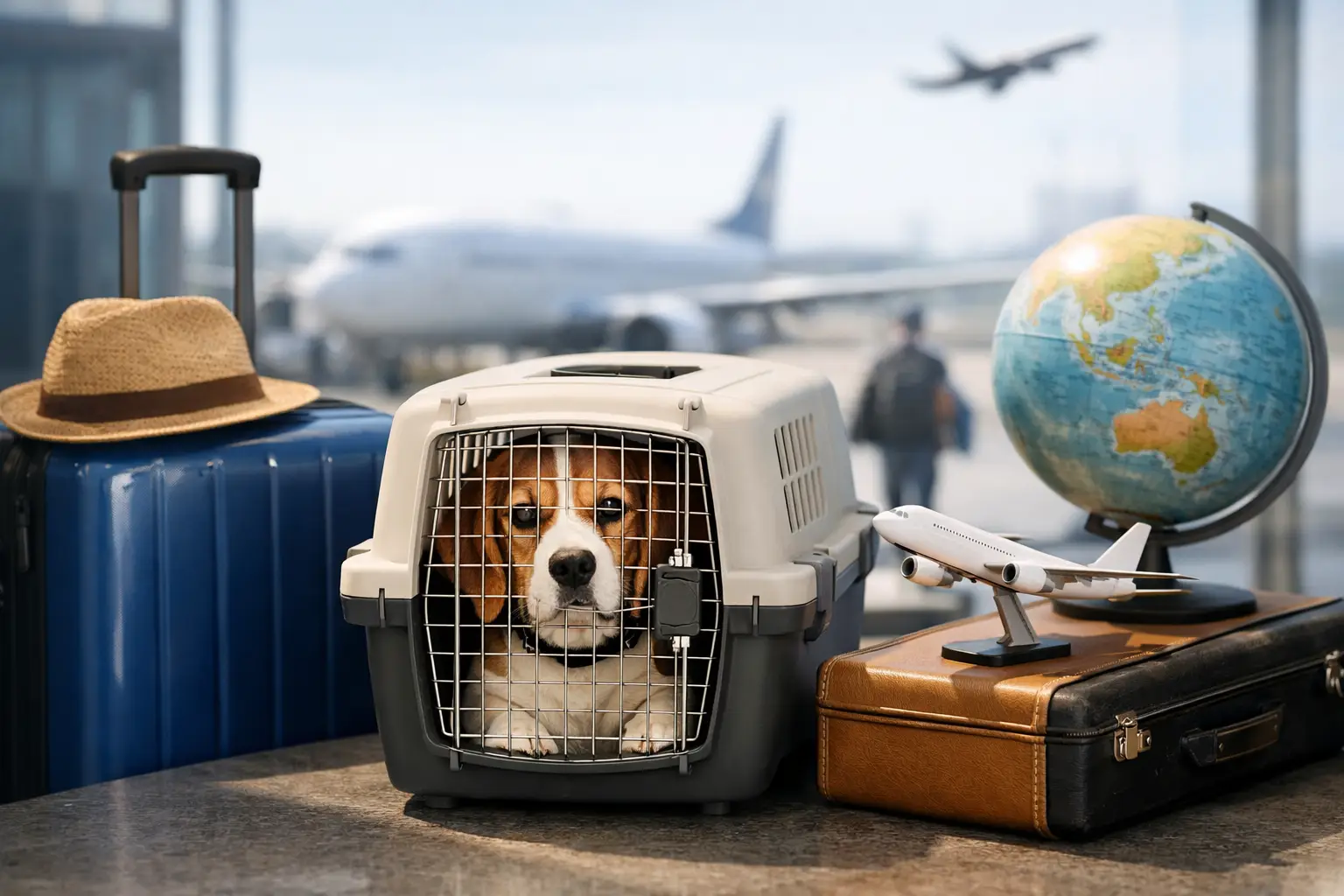
A long-awaited reunion can turn into an anxious wait if a pet arrives without the documents, vaccinations, or health status required at the destination. Pet quarantine rules explained plainly: quarantine is not an automatic part of every international move, but it is a real possibility when an animal does not meet a country’s import conditions or when officials need to manage a disease risk.
For families relocating with a dog or cat, the goal is not simply to book a flight. It is to make sure every requirement is completed in the right order, within the right timeline, so your pet can be cleared safely and reunited with you as planned.
What Pet Quarantine Actually Means
Pet quarantine is a period of supervised separation required by a government authority after arrival. Depending on the destination, a pet may stay at an approved animal facility, a government-operated station, or, in limited situations, under home quarantine conditions. The purpose is public and animal health protection, most often related to rabies and other transmissible diseases.
Quarantine is different from an airport inspection. Many pets are inspected briefly on arrival, have their paperwork reviewed, and are released the same day. A quarantine order means officials believe additional observation, testing, treatment, or documentation review is necessary before release.
The length can range from a short hold while paperwork is corrected to weeks or months in countries with especially strict biosecurity systems. There is no universal quarantine timeline. It depends on the destination, the pet’s country of origin, vaccination history, test results, and the reason the animal was held.
When Can a Pet Be Required to Quarantine?
A compliant, well-prepared pet may not need quarantine at all. However, officials may require it when a pet arrives with missing, incorrect, expired, or inconsistent records. The most common concern is rabies compliance, particularly when moving from a country considered to have a higher risk of dog rabies.
A pet may also be held if the veterinary health certificate was issued too early, uses the wrong format, lacks required endorsements, or does not match the pet’s microchip information. A microchip number that differs by even one digit can create a serious problem at arrival because officials must be able to connect the animal in front of them with its vaccination and health records.
Other potential triggers include visible signs of illness, parasite concerns, prohibited breeds or species, incomplete import permits, or travel on a route that does not meet the destination’s requirements. Airline handling delays can complicate an arrival, but they do not usually cause quarantine on their own. The compliance details behind the trip are what matter most.
Rabies Rules Often Determine the Outcome
Rabies requirements are at the center of many international pet import rules because the disease is fatal and preventable. Countries use different systems to manage that risk. Some accept a current rabies vaccination after a waiting period. Others require a rabies antibody titer test, often called a FAVN test, followed by a defined waiting period before entry.
The order of these steps is critical. In many cases, the pet must first be microchipped, then vaccinated against rabies, then have blood drawn for the titer test after the required interval. If the blood sample is taken too soon, or if the vaccination was administered before the microchip was implanted, the result may not satisfy the destination’s rules.
For dogs entering the United States from certain countries, U.S. Centers for Disease Control and Prevention requirements can add another layer of planning. Eligibility may depend on the dog’s recent travel history, age, microchip, rabies documentation, and approved entry process. A current vaccination alone may not be enough.
Because regulations can change, families should avoid relying on an old checklist from a previous move or advice intended for another destination. The rules that apply are the ones in force for your pet’s exact itinerary and travel date.
Quarantine Rules Depend on More Than the Destination
It is tempting to ask, “Does this country quarantine pets?” The more useful question is, “What does this country require for my pet to avoid quarantine or refusal of entry?”
The answer can change based on the origin country, transit points, species, breed, age, and purpose of travel. A dog traveling from Central America to the United States may face a different process than a dog departing the United States for Costa Rica, even if the same family is involved. A pet returning home after a temporary assignment may also need a different plan than a pet traveling for the first time.
Transit countries deserve attention, too. A connection that remains entirely within an airport’s secure area is usually simpler than an itinerary requiring customs clearance, an overnight stay, or a change of airport. When a pet must formally enter a transit country, that country’s import rules may apply.
How to Reduce the Risk of Quarantine
The strongest protection against an unexpected hold is early, destination-specific planning. International pet relocation is a timeline, not a single appointment. Some requirements can be completed in a few weeks, while others need several months of lead time because of vaccination waiting periods, laboratory testing, permits, or limited airline capacity.
Start by confirming your pet’s microchip can be read and that the number appears consistently on every record. Then build the medical timeline around the import requirements, including rabies vaccination, other required vaccines, parasite treatments, and any needed antibody testing. Keep original records organized, but do not assume an original document is acceptable if the destination requires a specific certificate format or government endorsement.
Before departure, review the small details that often cause large delays: the pet’s name, species, sex, date of birth, color, microchip number, vaccination dates, laboratory results, and owner information. Documents should agree with one another and with the pet traveling. If a correction is necessary, address it before travel rather than hoping an official will overlook it at arrival.
Crate preparation also matters. While crate requirements do not usually determine quarantine, an airline-compliant travel kennel helps protect your pet’s welfare and reduces the chance of a disruption at check-in. The crate should be appropriately sized, secure, well ventilated, and familiar to your pet before travel day.
What Happens if Your Pet Is Held?
If officials place a pet on hold, stay calm and ask for the reason in writing if possible. The next steps depend on whether the issue is administrative, medical, or regulatory. A missing signature may be resolved more quickly than a failed import condition, while a concern about illness may require a veterinary examination or observation period.
Do not make assumptions about visiting rights, feeding routines, medication access, or release timing. Ask the facility or authority how care will be provided and what documents or actions are needed for release. Keep copies of all communications, receipts, records, and instructions.
In more serious cases, authorities may require the pet to remain in quarantine, be returned to the origin country, or be denied entry. These outcomes are distressing, which is why prevention is far better than trying to solve a compliance problem after landing.
Professional Coordination Can Protect the Plan
A pet’s travel plan involves veterinarians, laboratories, government authorities, airlines, customs teams, and sometimes destination agents. Each party may have a separate deadline or document standard. Coordinating them carefully helps prevent one missed detail from affecting the entire move.
Planet Pet Relocation supports families moving to, from, and within Central America with personalized travel planning, documentation coordination, airline arrangements, and arrival support. For complex routes or destinations with rabies-related restrictions, experienced guidance can provide clarity well before travel day and help protect the calm, safe reunion every family wants.
Your pet should arrive as a welcomed member of the family, not as an unexpected case at an inspection desk. Give the process enough time, verify each requirement against the current rules, and treat every document as part of your pet’s safe passage home.

