

How to Relocate Cats Internationally Safely
October 30th, 2026 | Uncategorized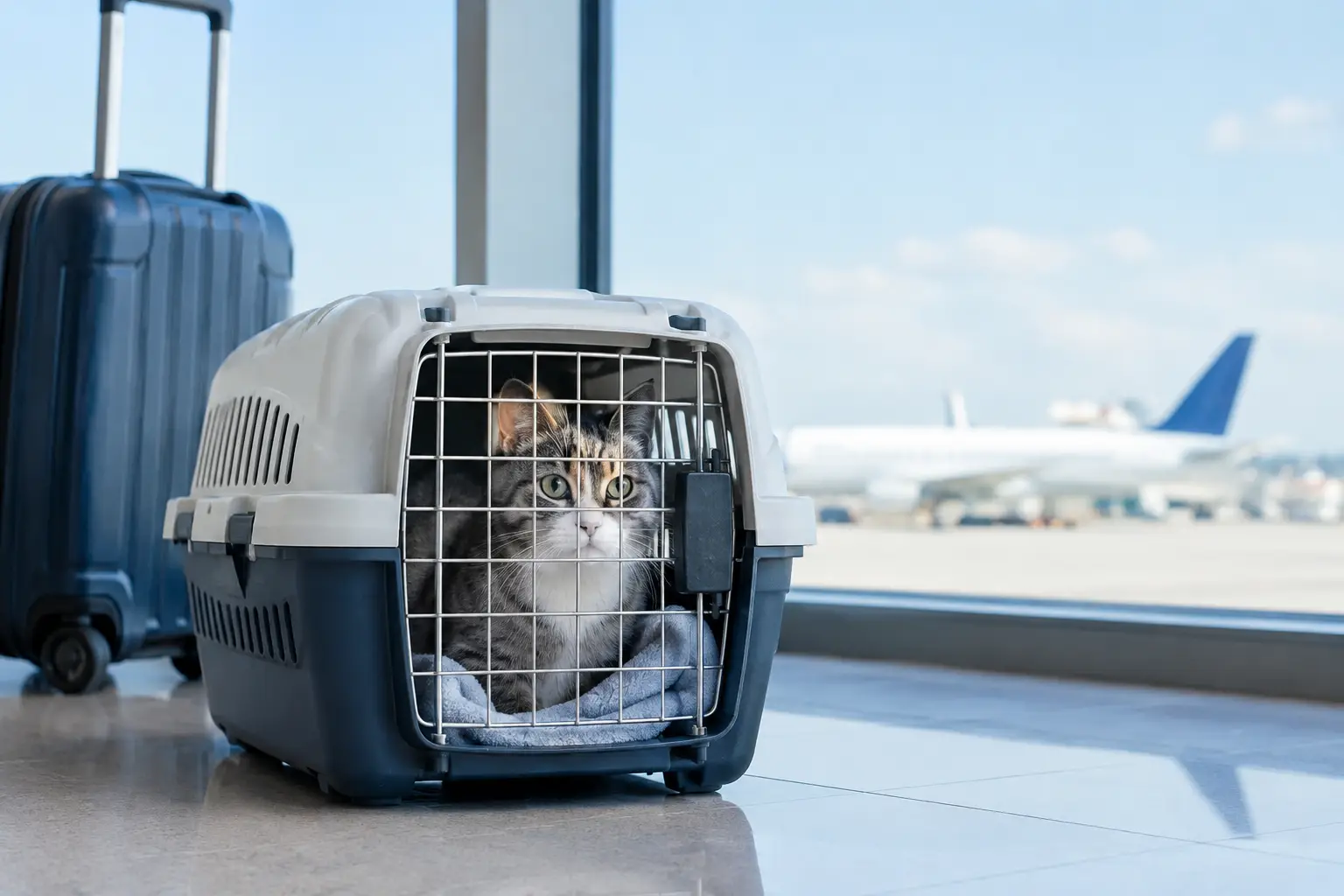
A cat may appear calm at home while quietly noticing every packed box, changed routine, and closed suitcase. That sensitivity is why learning how to relocate cats internationally is not simply a matter of booking a flight. A successful move depends on careful timing, destination-specific documents, airline-approved travel arrangements, and a plan that protects your cat’s comfort from departure through arrival.
International pet travel has little room for last-minute corrections. A missing signature, an expired rabies vaccine, or a crate that does not meet airline requirements can delay a family’s plans and leave a cat facing unnecessary stress. Starting early gives you options and helps make the journey safer, calmer, and fully compliant.
How to Relocate Cats Internationally: Start With the Destination
Every country sets its own import conditions, and those rules can change. Before arranging flights or veterinary appointments, confirm what the destination requires for cats entering from your current country. Requirements often depend on the cat’s age, country of origin, vaccination history, and whether the destination considers the origin country a rabies risk.
Many destinations require an ISO-compliant microchip, a current rabies vaccination, an international veterinary health certificate, and government endorsement of export documents. Some countries also require import permits, advance notification, parasite treatment, blood testing, quarantine reservations, or documents issued within a very narrow window before travel.
Timing matters as much as the paperwork itself. For example, a microchip may need to be implanted before a rabies vaccine is given for that vaccine to be accepted. A destination may also require a waiting period after vaccination. If a rabies titer test is needed, laboratory processing and required waiting periods can extend the preparation timeline significantly.
Do not assume that documents used for a previous international move will work again. Rules may differ by route, airline, transit point, and destination. Confirm the full travel pathway, including any country where your cat will change planes or stay overnight.
Build a Veterinary Timeline, Not a Last-Minute Checklist
Your veterinarian is an essential part of the relocation process, but international travel documentation requires more than a routine wellness visit. Plan veterinary care far enough ahead to address vaccinations, microchip verification, treatments, certificates, and any test results required for entry.
Begin with a complete review of your cat’s medical record. Check that the microchip number is readable and matches all prior records exactly. Confirm rabies vaccination dates, product details, and expiration dates. If a document contains a typo or a date conflict, it is better to discover it early than at airport check-in.
Your veterinarian should also evaluate whether your cat is fit to travel. Cats with chronic medical conditions, respiratory concerns, advanced age, or high anxiety may need an individualized plan. The answer is not always to avoid travel, but it may affect the route, season, flight selection, or level of support needed.
Sedation is usually not the default answer for anxious cats. Many airlines discourage or restrict sedated pets because medication can affect breathing, balance, and temperature regulation at altitude. Discuss safer calming strategies with your veterinarian, such as carrier acclimation, familiar bedding, pheromone products when appropriate, and a travel-day routine designed to reduce stimulation.
Choose the Right Crate and Help Your Cat Accept It
For most international moves, cats travel in an airline-compliant hard-sided crate sized to let them stand, turn around, and lie down naturally. Airline requirements can vary, so the crate should be confirmed against the airline’s current specifications before travel day.
The crate is not just a container. It is your cat’s travel space for a period that may include check-in, security processing, a flight, ground handling, customs clearance, and transportation after arrival. It needs secure fasteners, appropriate ventilation, absorbent bedding, attached food and water containers, and identification clearly displayed as required.
Start crate training weeks before departure. Leave the crate open in a familiar room, place treats or meals inside, and allow your cat to enter voluntarily. Gradually close the door for short periods while staying nearby. The goal is not to make your cat love the crate, but to make it a known, predictable place rather than a frightening surprise.
Avoid placing loose toys, bulky blankets, or unapproved accessories inside if they could create a safety issue during handling. A small item carrying your scent may be appropriate when permitted, but keep the crate setup simple and secure.
Select Flights Around Welfare, Not Convenience Alone
The shortest itinerary is often preferable, but it is not the only factor. Direct flights reduce handoffs and transit time, yet weather conditions, airline pet policies, cargo schedules, aircraft type, and arrival procedures can all affect whether a route is suitable.
Cats may travel in the cabin when their size, carrier, airline, route, and destination rules allow it. Other cats travel as checked pets or through an air cargo arrangement. Each option has different restrictions and handling procedures. A professional assessment should focus on the cat’s welfare and the practical requirements of the route, not simply the travel category that seems easiest to book.
Avoid tight connections. International pet transfers can involve document checks, terminal changes, customs procedures, and airline-specific handoffs. A realistic layover allows the journey to continue without rushed decisions if a flight schedule shifts.
Seasonal conditions deserve special attention. Extreme heat, cold, storms, and embargoes can affect animal acceptance and ground handling. A flexible travel window may make it possible to choose safer conditions for a pet moving through a warm climate or a major international hub.
Prepare for Departure Day
The final 72 hours before travel are often the most document-sensitive period. Health certificates and government endorsements may need to be issued within a set number of days before entry, so the order of appointments and document review must be coordinated precisely.
Keep original documents organized in a protective folder, with copies available as appropriate. Confirm the spelling of your name, your cat’s identification details, travel itinerary, destination address, and microchip number across every document. Small inconsistencies can create major questions at the border.
On travel day, feed your cat according to veterinary guidance and airline instructions. A light meal well before departure may be preferable to feeding immediately before the trip, but individual needs vary. Provide water and give yourself extra time at the airport. Rushing is stressful for both people and pets.
Remain calm around your cat. Cats respond to changes in voice, movement, and routine. Quiet handling and a familiar process can make a meaningful difference during an unfamiliar day.
Plan for Customs Clearance and the First Night Home
Arrival is not always the end of the travel process. Depending on the destination, your cat may need to be inspected by agricultural or customs authorities before release. An import permit, original health certificate, vaccination records, and other documents may be reviewed at this stage.
Arrange ground transportation that can safely accommodate the crate and plan for possible waiting time. If you are relocating to or from Central America, regional experience can be especially valuable because airport processes, document expectations, and local coordination can vary from one country to another.
At the new home, set up one quiet room before opening the crate. Include a litter box, water, food, a hiding place, and familiar bedding. Give your cat time to decompress before introducing the rest of the home. Some cats emerge quickly; others need several days of quiet, predictable care. Both responses can be normal.
Watch for signs that your cat needs veterinary attention after arrival, including persistent refusal to eat, difficulty breathing, repeated vomiting, extreme lethargy, or urinary problems. It is wise to identify a local veterinarian before the move so you know where to turn if concerns arise.
When Professional Pet Relocation Support Makes Sense
An international cat move can be manageable for a straightforward route, but complexity grows quickly when permits, transit countries, government endorsements, cargo bookings, or strict entry windows are involved. Families moving on a fixed date may also have limited room to recover from an airline change or documentation issue.
A full-service pet relocation team can coordinate veterinary document timing, airline arrangements, crate guidance, customs procedures, export requirements, and arrival handling while keeping owners informed. Planet Pet Relocation supports families with welfare-focused travel planning and hands-on coordination for moves across Central America and worldwide.
Your cat does not need to understand why the household is changing. They need familiar care, careful preparation, and a safe path to the people they trust. Give the process enough time, treat every document as essential, and let your cat’s comfort guide each travel decision.

