

Who Handles Pet Customs for International Moves?
October 10th, 2026 | Uncategorized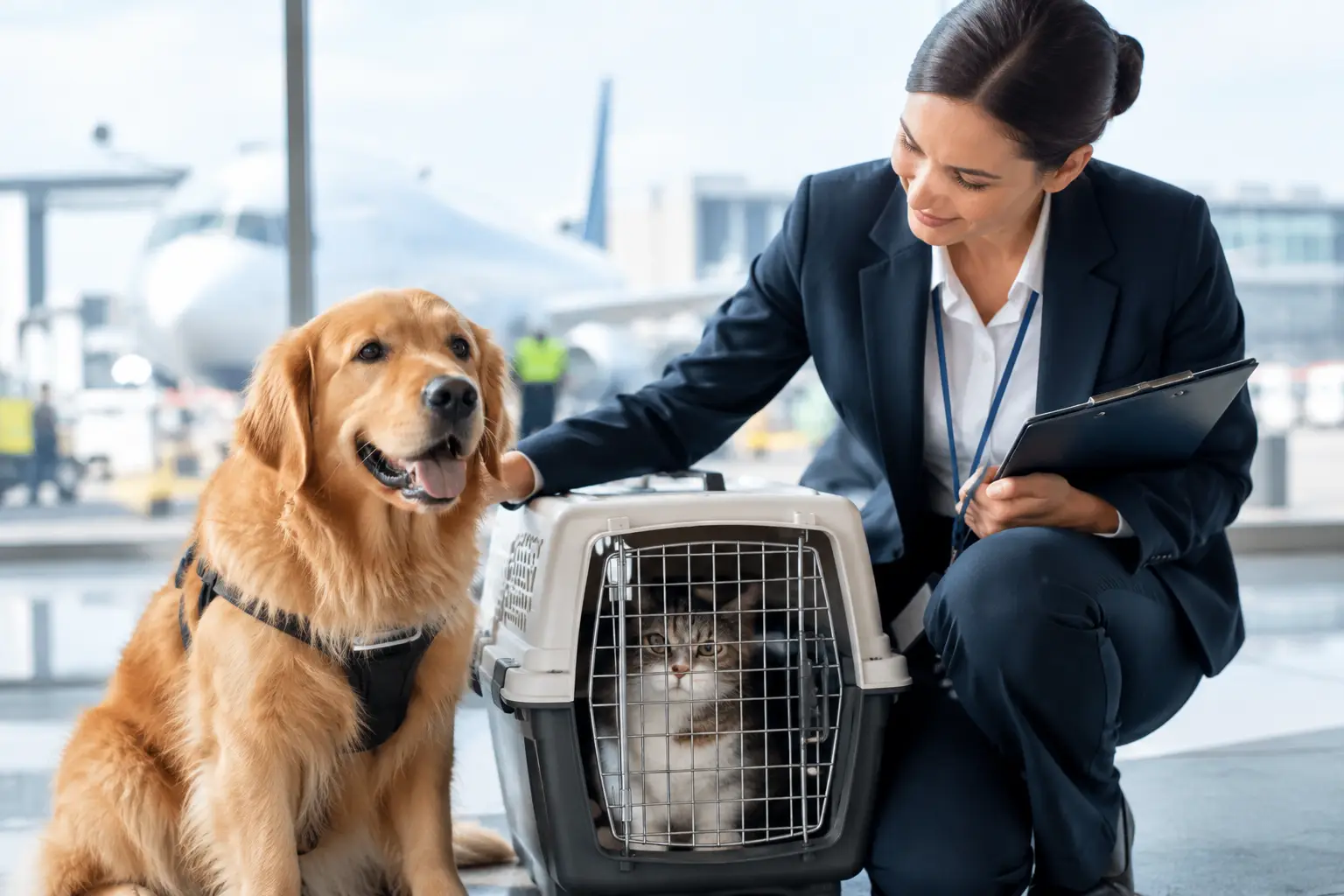
Your pet has landed, but the journey is not necessarily over. Who handles pet customs depends on the country, airport, and type of entry, yet one fact remains consistent: government officials make the final decision on whether a pet may enter. A qualified pet relocation specialist can prepare the shipment, coordinate the arrival process, and communicate with the right parties, but no private company can bypass import rules.
For families moving internationally, this distinction matters. A missing endorsement, an expired vaccine, or an airline document that does not match the import permit can turn an anticipated reunion into a stressful airport delay. Knowing who is responsible at each stage helps you plan with confidence and protect your pet’s comfort.
Who Handles Pet Customs at the Airport?
Pet customs clearance is usually shared among several parties. Customs authorities oversee the legal importation of goods and animals into the country. Agricultural, veterinary, animal health, or quarantine officials review whether the pet meets the destination’s health and biosecurity requirements. Depending on the destination, these may be separate government offices or parts of the same inspection process.
At arrival, airline ground staff first release the pet from the aircraft and transfer the travel kennel to the designated inspection or cargo area. The owner, an authorized agent, or a pet relocation representative then presents the required paperwork to the relevant officials. Customs personnel may review declarations and entry records, while animal health authorities examine vaccination certificates, health certificates, microchip details, import permits, and any destination-specific testing requirements.
The exact process varies widely. Some airports allow eligible pets traveling with their owners to clear through a passenger terminal. Others require all arriving pets to be processed through an air cargo facility, even when the animal traveled on the same flight. In some countries, a licensed customs broker or local agent is required. In others, the owner can complete clearance personally if every document is in order.
Customs is not the only authority involved
Many owners use the phrase “pet customs” to describe the entire arrival procedure. In practice, customs is only one part of it. Animal health officials are often the authority with the greatest influence over whether your pet can be released.
Their focus is public and animal health. They may verify that the pet’s rabies vaccination meets the required timing, confirm that the microchip number matches every document, check parasite treatment records, or assess whether an import permit was issued before travel. For dogs entering the United States from certain locations, CDC requirements may also apply in addition to standard customs and veterinary procedures.
That is why a pet can have a valid flight booking and still face an arrival issue. Airline acceptance confirms that the airline accepted the pet for transport under its rules. It does not replace the destination country’s import approval.
What a Pet Relocation Specialist Handles
A full-service pet relocation company does not replace customs or veterinary officials. It handles the detailed coordination needed to give your pet the strongest possible path through the process.
This begins well before departure. A relocation specialist reviews the destination’s current entry rules, creates a document timeline, and helps identify which records must be issued, endorsed, translated, or legalized. They can coordinate with veterinarians, airlines, cargo handlers, destination partners, and arrival agents while keeping the family informed about each milestone.
For an international move, professional support may include:
- Reviewing vaccination, microchip, health certificate, permit, and testing requirements
- Planning a route and airline booking that fit the pet’s welfare and entry requirements
- Preparing export documentation and coordinating government endorsements
- Arranging an authorized arrival agent or customs handling where required
- Monitoring the flight and coordinating release, ground transport, and final delivery
The value is not simply filling out forms. It is managing how those forms, dates, flight details, and destination rules fit together. A health certificate issued too early, a vaccine administered in the wrong sequence, or a last-minute change in flight routing can affect clearance. Careful coordination helps catch those risks before your pet is at the airport.
When You May Need an Arrival Agent
An arrival agent is especially useful when the destination requires cargo clearance, when the local language or procedure is unfamiliar, or when the owner’s flight schedule does not allow them to be present. The agent can communicate with airport personnel, submit documents in the required format, pay applicable government charges on the owner’s behalf when authorized, and arrange the pet’s release after approval.
This is common for international relocations involving Central America, where procedures can differ between neighboring countries and sometimes between airports. A family moving from the United States to Costa Rica may face a very different arrival process than one relocating to Guatemala, Belize, Colombia, or Honduras. The right plan is based on the actual destination and travel date, not on a general checklist found online months earlier.
Even when an agent is not mandatory, having experienced representation can reduce pressure during a time-sensitive arrival. Flight delays happen. Cargo facilities have operating hours. Officials may request clarification or an additional document. A local professional who understands the airport process can respond quickly while you focus on welcoming your pet.
What Pet Owners Still Need to Do
Delegating logistics does not remove the owner’s role. Government documents are issued based on your pet’s medical history and your travel plans, so timely information from you is essential. Your relocation coordinator will need accurate vaccine records, microchip details, destination address information, owner identification, and confirmation of your travel dates.
Owners should also be prepared to make veterinary appointments early. Some destinations require vaccinations or tests within specific windows, and certain rabies antibody titer tests can take time to complete. If a permit is required, it may need to be issued before the health certificate appointment or before the flight can be confirmed.
The most helpful approach is to treat the relocation timeline as a shared plan. Ask questions early, disclose every country your pet has recently lived in or traveled through, and notify your coordinator immediately if a flight, address, or veterinary appointment changes. Small changes can have larger effects when several agencies and documents are involved.
Common Reasons Pets Are Delayed at Customs
Delays are not always caused by a serious problem. Sometimes an official needs time to review a certificate, the cargo terminal is handling a busy arrival period, or airline paperwork takes longer than expected to reach the inspection area. Still, preventable documentation issues are a major concern.
A mismatch in a microchip number, an incorrect owner name, missing vaccine dates, incomplete signatures, or an improperly completed health certificate can stop a clearance process. So can relying on outdated online guidance. Import rules can change, particularly after disease outbreaks, regulatory updates, or changes in a pet’s travel history.
There are also welfare considerations. If clearance takes longer than planned, the pet needs a safe, temperature-appropriate area, access to water as permitted, and careful handling by trained personnel. This is one reason experienced planning matters. The goal is not only to meet a deadline but to create a travel plan that accounts for real airport conditions and your pet’s individual needs.
Choosing the Right Support for Pet Customs
Ask whether the provider will coordinate both departure and arrival, who will physically handle your pet after landing, and how they monitor document changes before travel. You should also understand whether the destination requires a local agent and what communication you can expect if a flight is delayed or an official requests more information.
Planet Pet Relocation coordinates welfare-focused international pet travel with the documentation, airline planning, and arrival support families need for complex moves. Each relocation plan should reflect the pet, the route, and the destination’s current rules rather than relying on a one-size-fits-all process.
Before you book a flight, confirm who will meet your pet at arrival, which authority will inspect the documents, and what happens if the schedule changes. Those answers can turn an uncertain airport handoff into a well-prepared reunion.

