

Essential Items for Pet Relocation Checklist
November 11th, 2026 | Uncategorized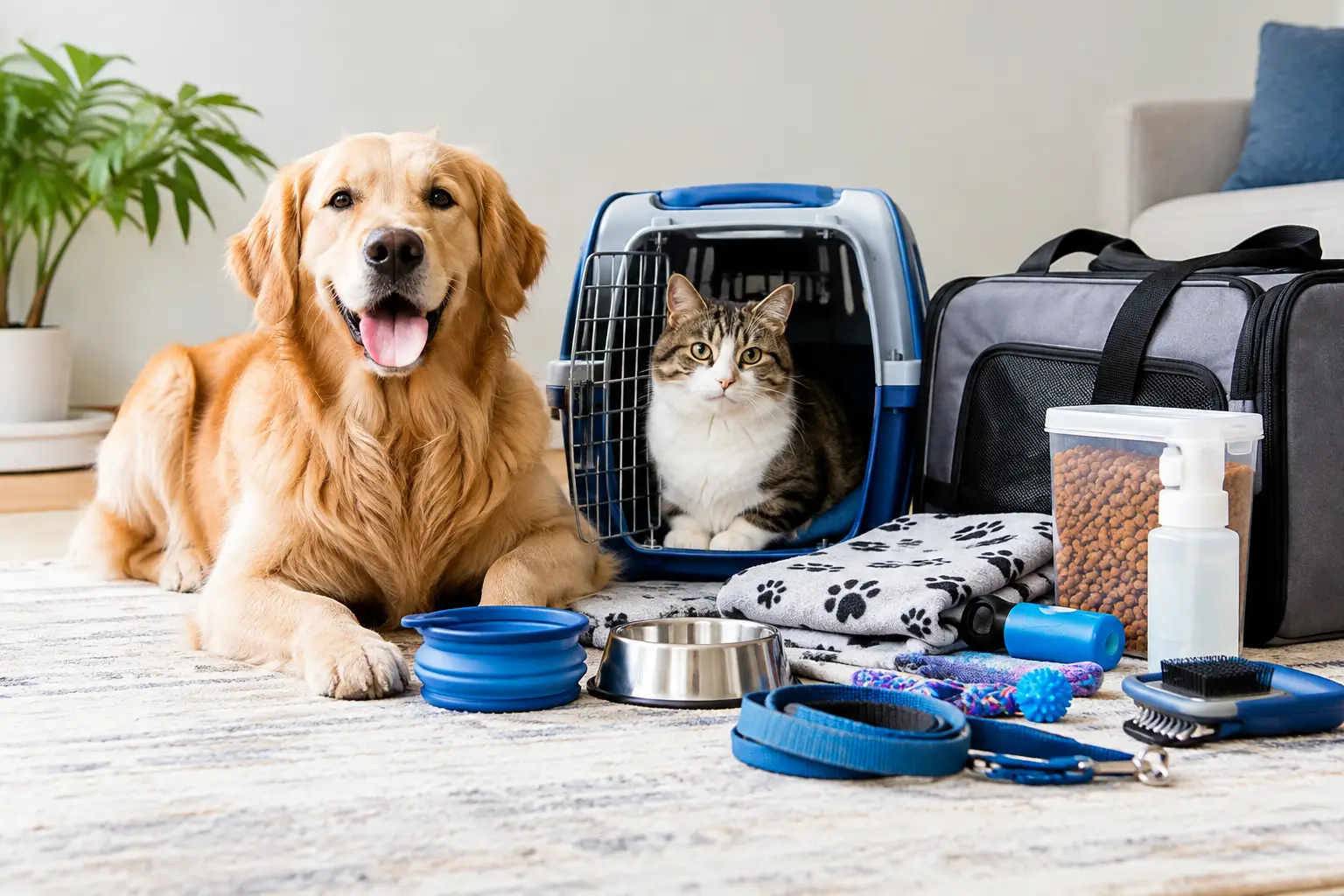
A pet’s move can be delayed by something as small as a missing signature, an incorrect crate measurement, or a document that was issued too early. The essential items for pet relocation are not simply what fits in a travel bag. They are the records, travel equipment, and comfort supplies that support a safe journey and allow your pet to clear airline and border requirements without avoidable stress.
For an international move, the right checklist starts with the destination and route. Import rules, airline policies, transit-country requirements, and veterinary timelines can all affect what your pet needs. A practical plan makes room for both compliance and comfort.
Essential Items for Pet Relocation Begin With Documents
Documentation is the foundation of international pet travel. Requirements vary by destination, species, breed, routing, and even the pet’s country of origin. Some countries require advance import permits or laboratory testing months before departure, while others require a health certificate completed within a narrow window before the flight.
Keep all original paperwork together in a waterproof document folder that travels with the person responsible for your pet. Carry clear copies separately, including digital copies stored securely on your phone or email. Border officials and airline staff may need to review records at different points in the journey, and a misplaced document can create a serious problem.
Your documentation package may include:
- A current rabies vaccination certificate, showing the microchip number when required
- An international health certificate issued and endorsed according to destination rules
- Microchip and vaccination records, plus proof of any required parasite treatments
- Import permits, export permits, airline confirmations, and transit approvals
- Rabies FAVN titer test results or other destination-specific laboratory documentation
Do not assume a veterinary record that was accepted for a prior trip will work again. Dates, endorsement procedures, and entry rules may have changed. Pets traveling from countries subject to additional U.S. dog import controls, for example, may need a more detailed preparation timeline. A relocation specialist can confirm the correct sequence before appointments are booked.
Choose the Right Travel Crate
The travel crate is one of the most important physical items for pet relocation. For pets flying as cargo or on many international itineraries, it must meet the airline’s current live-animal transport rules. A crate labeled “airline approved” is not automatically suitable for every airline, route, or pet.
Your pet must be able to stand without crouching, turn around normally, and lie down comfortably. Measure your pet carefully rather than choosing a crate based on weight alone. The crate should be sturdy, well ventilated, escape-resistant, and fitted with secure hardware. Some routes have specific requirements for door fasteners, ventilation openings, or crate construction.
Start crate conditioning well before travel. Leave the crate open at home, add familiar bedding, and encourage calm, voluntary time inside with praise and treats. The goal is not to make the crate exciting. It is to make it familiar, predictable, and safe.
Avoid adding loose toys, bulky bedding, or items that could shift during handling. A clean, absorbent liner or securely fitted pad is usually more practical. Attach two water containers to the crate door so they can be accessed from outside, and confirm whether your airline permits a small amount of food in an attached dish. Freeze water before departure only if it fits your route and airline guidance, since it can provide hydration gradually without spilling at check-in.
Crate Labels and Identification
Place clear identification on the crate, including your pet’s name, your contact details, destination address, and an emergency contact who can respond if you are unavailable. Airline-required live-animal labels and directional arrows should be visible and securely attached.
A recent photo of your pet in the document folder is also useful. It can help airline, customs, or handling teams quickly verify identity if a collar tag is lost or a crate label is damaged.
Pack Comfort Items With Purpose
Comfort supplies should reduce stress without creating a safety issue. Familiar scent is often more useful than extra gear. A small, washable blanket or T-shirt that smells like home may help a pet settle, provided it does not interfere with crate ventilation or become a chewing hazard.
Pack a separate arrival bag for the first 24 to 48 hours. It should contain your pet’s regular food, a collapsible bowl, leash or harness, waste bags, grooming supplies, and enough medication to cover unexpected delays. Bringing familiar food is especially helpful when a pet is moving to a country where the same formula may not be available immediately. Check destination restrictions before packing food, treats, or animal-based products.
For cats, include a compact litter tray and a small supply of their usual litter for arrival. For dogs, a well-fitted harness and backup leash provide safer control after a long trip, when they may be tired or unsettled. Keep these items in your own carry-on or accessible arrival luggage, not in a shipment that could be delayed.
Medications Need Veterinary Direction
If your pet takes prescription medication, carry it in its original labeled container along with a veterinary letter explaining the medication, dose, and medical need. Bring more than the exact number of doses required for travel in case of flight disruption or customs delays.
Do not sedate a pet for air travel unless a veterinarian and the airline have specifically advised it. Sedation can affect breathing, balance, and temperature regulation at altitude. It may also prevent staff from accurately observing how your pet is coping. Calm crate training, careful scheduling, and appropriate travel planning are generally safer ways to reduce anxiety.
If your veterinarian recommends supplements or anti-anxiety support, test the plan well before departure. Travel day is not the time to introduce a new product or medication.
Prepare for Check-In, Transit, and Arrival
The items you need may change throughout the journey. At departure, you need immediate access to documents, the crate, identification, and airline instructions. During transit, your pet’s welfare depends on correct handling notes and a route that allows enough time for connection procedures. At arrival, customs and animal health officials may require original documents before release.
Keep a written travel sheet with flight numbers, booking references, microchip number, veterinarian contact information, destination contact details, and any feeding or medication instructions. This gives handlers and your relocation team a single reliable reference if plans change.
Timing also matters. Avoid last-minute travel during extreme heat, severe weather, or periods when airlines limit live-animal transport. Direct flights can reduce handling, but they are not always the best choice if the schedule, aircraft type, or destination clearance process creates unnecessary risk. The right itinerary depends on your pet, route, and applicable rules.
For families moving to, from, or through Central America, regional experience can be especially valuable. Requirements may differ across neighboring countries, and customs release procedures can be as significant as the flight itself. Planet Pet Relocation coordinates the documentation, route planning, airline communication, and arrival handling needed to keep each stage connected.
A Final Check Before You Leave Home
The day before departure, review every item against your approved travel plan. Confirm the microchip can be scanned, verify that names and numbers match across all documents, inspect the crate hardware, and place your arrival bag where you can reach it quickly. Feed your pet according to veterinary and travel guidance, provide normal exercise when appropriate, and leave enough time for a calm check-in.
A well-prepared journey is not about packing more. It is about carrying the right items, in the right place, with every requirement checked before the travel day becomes urgent. That preparation gives your pet the best chance to arrive safely and lets you focus on the moment your family is together again.

