

How to Meet Airline Pet Rules Without Delays
November 7th, 2026 | Uncategorized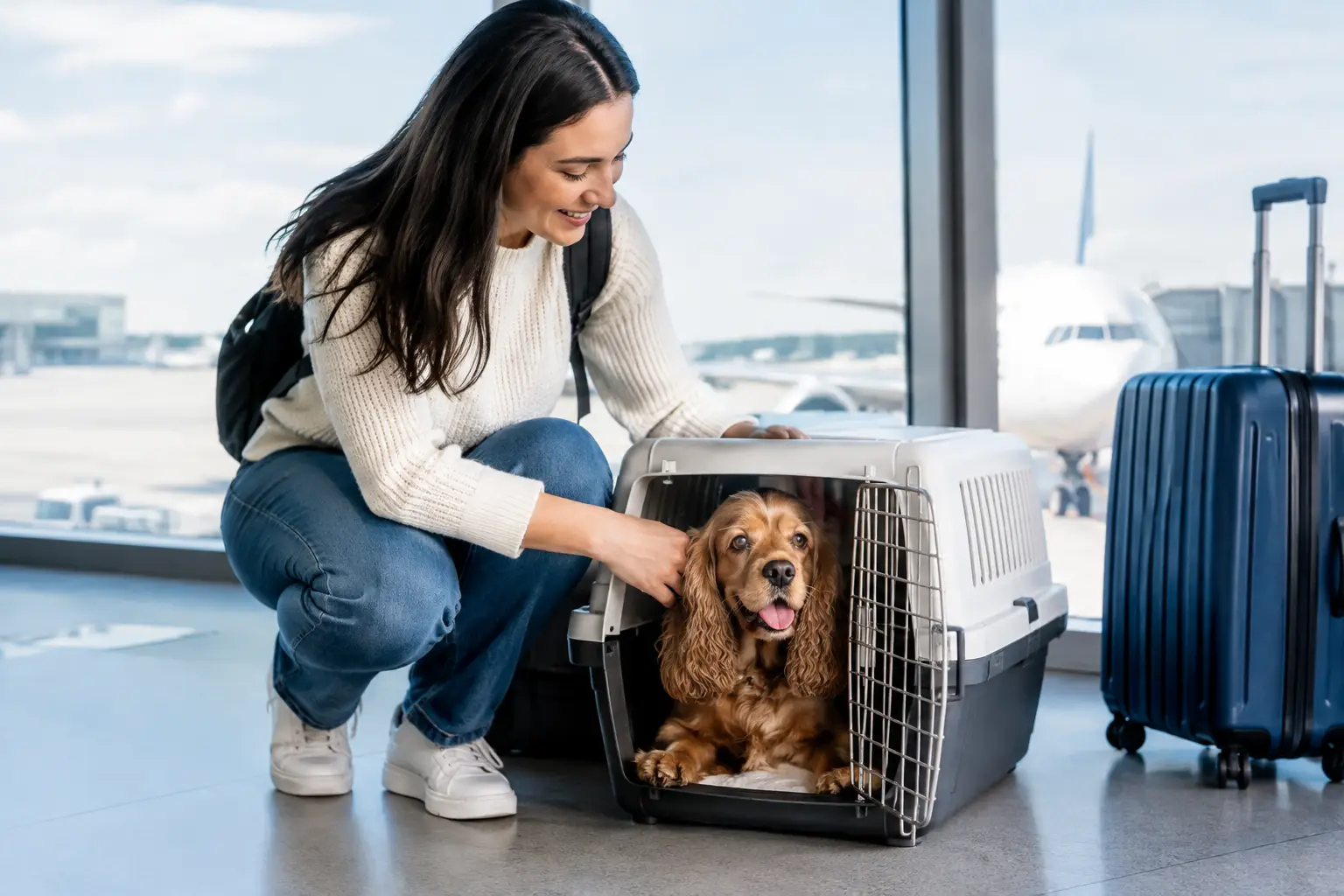
A pet can be cleared to enter a country and still be refused by the airline at check-in. That is why learning how to meet airline pet rules requires more than arranging a health certificate. Your pet’s travel method, crate, route, breed, booking, and the conditions on travel day must all align with the carrier’s current requirements.
For families relocating internationally, this is one of the most stressful parts of the move because airline policies are detailed, change often, and may differ by route. A calm, well-prepared plan protects your pet from a last-minute disruption and gives your family confidence that every part of the journey has been considered.
Start with the route, not the crate
Many owners begin by shopping for a travel kennel. The better first step is confirming the full itinerary. Airline pet rules can change depending on the operating carrier, aircraft type, connection airport, season, and whether your pet travels in cabin, as checked baggage, or as manifested cargo.
A flight sold by one airline may be operated by another. In that case, the operating airline’s pet policy usually controls the journey. One noncompliant connection can prevent the entire booking from working, even if the first flight accepts pets.
Direct routing is often preferable because it reduces handling, transfers, and time away from home. Still, the best route is not always the shortest one. A connection may be necessary to use an aircraft that accepts larger kennels, avoid an airport with restrictive transit rules, or travel during a safer temperature window. The right choice depends on your pet’s size, species, health, and destination requirements.
Choose the correct travel option for your pet
Airlines generally offer three ways for pets to travel, but availability varies widely. Small pets may be permitted in the cabin when their carrier fits beneath the seat and they meet weight and species limits. This option is limited, requires advance approval, and is not available on every international route.
Some airlines accept pets as checked baggage on eligible flights, while others only accept them through a cargo program. Cargo transport is not automatically less safe or less caring. For many medium and large dogs, it is the only appropriate airline-approved option. The key is working with an airline and handling process designed for live-animal transport, with proper documentation, secure kennel handling, and coordination at each airport.
Do not assume a pet can travel in the cabin because it has done so on a domestic trip. International itineraries can have stricter size limits, country-specific restrictions, and different rules for transit airports. Snub-nosed breeds, certain dog breeds, birds, and other species may also have additional limitations or seasonal embargoes.
How to meet airline pet rules on the paperwork side
Airline approval and destination entry approval are separate requirements. An airline may require a veterinary health certificate, vaccination records, an acclimation certificate, feeding instructions, or a shipper’s declaration. Your destination may require microchip records, import permits, parasite treatments, rabies documentation, a rabies titer test, or government endorsement.
The timing matters as much as the document itself. Some certificates must be issued within a narrow number of days before departure. Others require weeks or months of lead time. A rabies FAVN titer test, for example, may involve laboratory processing and a waiting period before travel is allowed by the destination.
Keep names, microchip numbers, dates, and pet descriptions consistent across every document. A small mismatch, such as a transposed microchip digit or a name that differs from the airway bill, can trigger questions at check-in or customs. It is wise to review the entire document set together before travel rather than checking each form in isolation.
For dogs entering the United States from certain countries, U.S. Centers for Disease Control and Prevention requirements may also apply. These rules can affect the eligible airport, documentation, age, microchip, and vaccination evidence required. Airline compliance does not replace federal import compliance.
Select and prepare an airline-compliant kennel
The kennel is your pet’s travel space, so it must meet both the airline’s construction rules and your pet’s welfare needs. Airlines commonly require a rigid plastic or wooden kennel for cargo travel, secure fasteners, ventilation on multiple sides, absorbent bedding, and attached food and water containers that can be filled from outside.
Size is especially important. Your pet should be able to stand without its ears touching the top, turn around normally, and lie down in a natural position. A kennel that is too small can be refused. One that is dramatically oversized may create handling issues or exceed aircraft space limits.
Before buying a kennel, verify the airline’s measurements and accepted materials for the exact journey. Then let your pet become familiar with it well before travel day. Leave the kennel open at home, add familiar bedding if permitted, and use positive, unhurried practice sessions. The goal is not to force your pet to love the kennel overnight. It is to make it a predictable, secure space rather than a new source of stress.
Avoid sedating your pet unless a veterinarian and the airline have specifically advised it. Sedation can affect balance, breathing, and temperature regulation at altitude. Most airlines discourage it, particularly for air travel in the cargo hold.
Book early and confirm every segment
Pet space is limited. An airline may cap the number of animals accepted in cabin, checked baggage, or cargo on a given flight, and approval is rarely automatic when a passenger ticket is issued. Request the pet reservation as soon as the route is selected, then obtain confirmation for every flight segment.
A reliable pre-travel review should confirm these details:
- The operating airline accepts your pet’s species, breed, size, and travel method.
- The kennel dimensions are approved for the aircraft and service booked.
- Your flights have no seasonal temperature restrictions or embargoes affecting live animals.
- Required documents meet both airline and destination rules within their valid time frames.
- Arrival handling, customs clearance, and any transit procedures are arranged before departure.
Reconfirm close to departure because aircraft substitutions, schedule changes, and policy updates can affect a pet booking. If your flight changes, do not assume the pet reservation transfers automatically. Ask for the pet’s status to be checked again on the revised itinerary.
Plan travel day around comfort and control
Travel day should be calm, not rushed. Give your pet normal exercise appropriate to its age and condition, offer a light meal at a sensible time before departure, and follow the airline’s instructions on water and check-in timing. Arriving early allows time to address a document question without panic.
Attach clear identification to the kennel and use the required live-animal labels and directional stickers. Carry original documents with you, along with copies in a separate location. If your pet is traveling as cargo, make sure the person delivering the pet and the person receiving the pet understand where to go and whom to contact.
Weather deserves special attention. Airlines may restrict pet travel during periods of extreme heat or cold, especially when ground exposure is involved. A flexible travel window can be a meaningful safeguard. It may be better to adjust the departure date than to push a pet through conditions the airline considers unsafe.
When professional coordination makes a difference
International pet travel is a chain of dependencies: veterinarian appointments, official endorsements, airline space, kennel compliance, export procedures, flight timing, customs clearance, and arrival collection. Missing one link can delay a reunion or leave a pet unable to board.
For complex moves to, from, or within Central America, a specialist can coordinate those moving parts while keeping you informed. Planet Pet Relocation builds travel plans around the pet, the route, and the regulations in force, with particular attention to documentation accuracy, airline communication, and safe arrival arrangements.
Your pet is not excess baggage. Give the journey the same careful planning you would give any family member’s move, and leave enough time to solve the details before they become travel-day emergencies.

