

Best Pet Crates for International Flights
November 15th, 2026 | Uncategorized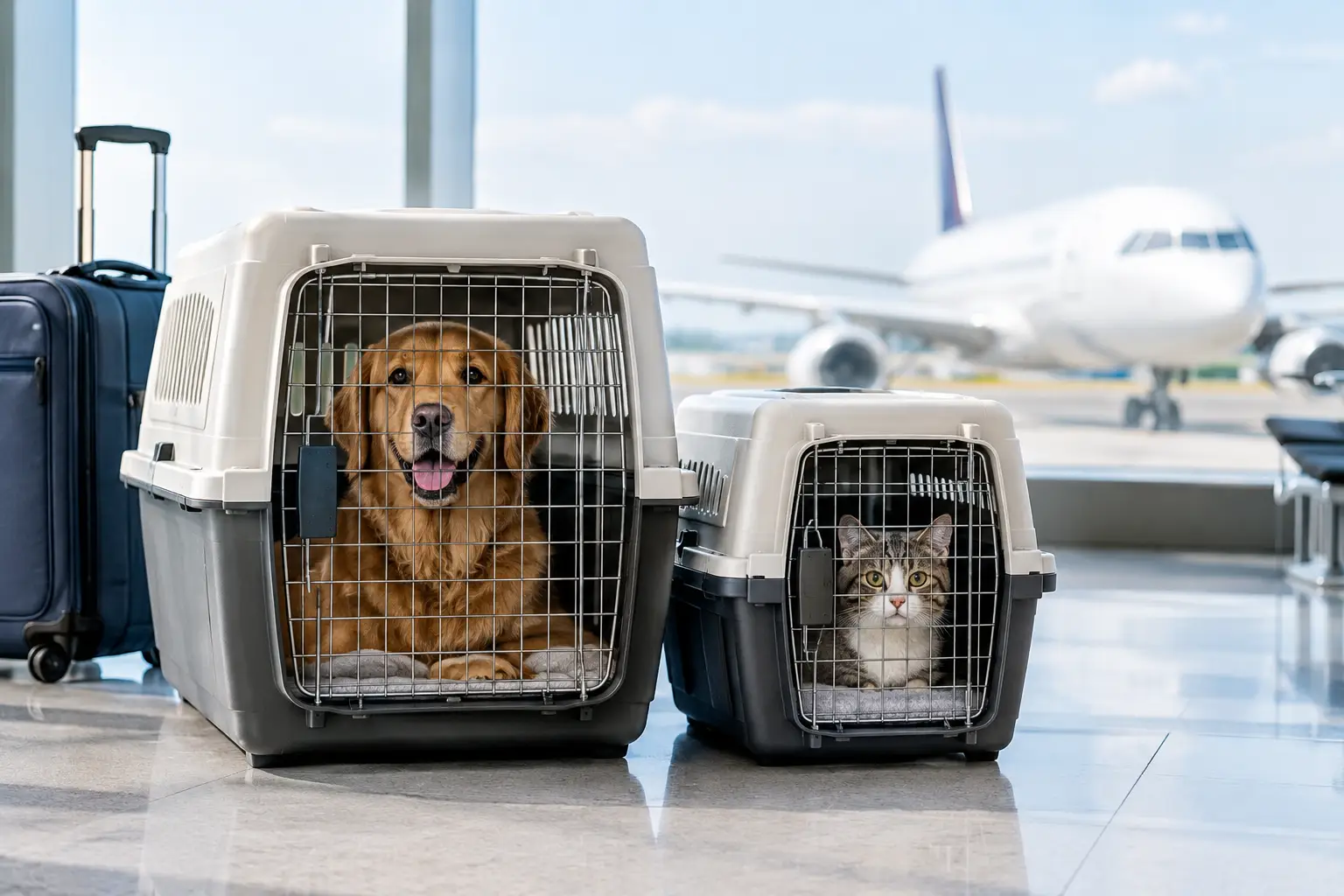
A crate can be the difference between a pet traveling safely and a pet being denied at check-in. For international moves, the best pet crates for international flights are not simply the most expensive or best-looking options. They are the crates that meet the requirements of the specific airline, aircraft, route, and pet traveling inside them.
That distinction matters. International pet travel involves airline cargo policies, destination import rules, weather restrictions, connections, and welfare considerations. A crate that appears compliant online may still be unsuitable because it is too small, has the wrong door style, lacks adequate ventilation, or does not meet an airline’s current acceptance standards. Choosing carefully protects your pet’s comfort and helps prevent stressful last-minute changes to travel plans.
What Makes a Crate Suitable for International Air Travel
Most airlines use standards based on International Air Transport Association, or IATA, Live Animals Regulations. In practical terms, an airline-approved travel crate is generally a rigid, secure kennel made from strong plastic, wood, or another accepted material. It must provide sufficient space, ventilation, and protection throughout the journey.
The crate should allow your pet to stand naturally without crouching, turn around comfortably, and lie down in a normal position. For dogs, the ears should not touch the top of the crate when standing. For cats, the same principle applies: they need room to adjust position and rest without being compressed against the sides or ceiling.
Hard-sided plastic kennels are often the preferred choice for small and medium pets, provided they are accepted by the airline. Larger dogs may require heavier-duty plastic or custom-built wooden crates, depending on their size, breed, and route. Soft carriers, wire cages, collapsible crates, and many decorative pet carriers are generally not appropriate for pets traveling in the aircraft hold.
Best Pet Crates for International Flights: Features That Matter
Rather than selecting a crate by brand alone, assess the construction and dimensions first. Airline acceptance is never guaranteed by a label on the box. Airlines can apply their own rules, and those rules can change.
The Right Size, Not the Largest Size
A crate should be measured around your pet, not guessed based on weight. An oversized crate can be difficult to secure and handle, while an undersized crate can lead to refusal at check-in or make a long journey uncomfortable.
Accurate measurements typically include your pet’s length from nose to base of tail, height from the ground to the top of the head or ears, width across the shoulders, and leg length. These measurements help determine the crate’s minimum interior dimensions. Pets with upright ears, flat faces, long legs, or broad chests often need extra attention when sizing.
A pet relocation specialist can confirm that the crate dimensions align with the airline’s formula before travel day. This is particularly helpful when a pet is near the maximum size for a standard kennel or is traveling on multiple airlines.
A Secure, Airline-Accepted Door
The crate door is one of the most closely reviewed features. It should be made of strong metal, fit securely within the crate frame, and lock properly. Doors that rely on lightweight plastic clips, weak latches, or improvised fasteners may be rejected.
Some airlines require metal nuts and bolts to secure the top and bottom halves of a plastic kennel. Others may have restrictions on certain quick-release closures. Cable ties may be used in some situations as an added precaution, but they should never replace the crate’s proper built-in hardware or an airline’s specific requirements.
For pets that are anxious, strong, or skilled escape artists, a standard crate may not be sufficient. A reinforced option or custom crate may be safer and more appropriate.
Ventilation on Multiple Sides
International journeys can involve extended handling periods before departure, during connections, and after arrival. Good airflow is essential. Crates should have ventilation openings on multiple sides, with the specific number and placement determined by airline policy and crate type.
Ventilation openings must also be secure. They should not be large enough for a pet to push a paw, nose, or head through, and they should not be blocked by baggage tags, documents, or crate covers. Avoid covering the crate unless an airline or trained travel professional has advised it for a specific reason.
Water Access Without Opening the Crate
A suitable flight crate should include attached food and water containers that can be refilled from outside the crate. This allows airline staff to offer water when appropriate without opening the door and risking an escape.
Water bowls should be firmly secured and placed where they will not reduce your pet’s ability to lie down. For long travel days, water management needs to be planned carefully. Frozen water can be helpful before departure because it melts gradually, but the final approach should match airline guidance and your pet’s needs.
A Solid, Dry Interior
The crate floor should be solid and lined with absorbent material, such as a crate pad or approved bedding. Loose blankets, bulky beds, and excessive toys can create problems if they shift, become soiled, or block airflow. The goal is comfort without clutter.
Do not place medication, food bags, leashes, or personal items inside the crate unless specifically advised. Most airlines have strict rules about what may travel with the pet. A small familiar item may be appropriate in limited cases, but safety and airline compliance should come first.
When a Standard Plastic Kennel Is Not Enough
Standard hard-sided kennels work well for many pets, but not every pet or route fits that model. Giant-breed dogs, dogs with unusually broad builds, and certain strong or high-anxiety pets may need a custom wooden crate. Custom crates can provide the required space and structural support, especially when standard sizes are too short or narrow.
There are trade-offs. Wooden crates are heavier and may require more advance planning, but they can be the safest choice for a large pet. They must still meet airline construction and ventilation requirements. A custom crate should never be treated as a DIY project completed the night before a flight.
Brachycephalic, or short-nosed, breeds require additional care. Some airlines restrict these breeds entirely, while others apply seasonal, route-specific, or crate-related conditions. Extra ventilation and a carefully planned itinerary may be necessary, but crate selection alone does not override airline safety policy.
Common Crate Mistakes That Cause Delays
The most preventable problems tend to happen when families purchase a crate before confirming the airline’s requirements. A crate may be marketed as airline-friendly but still fail the airline’s dimensions, hardware, door, or ventilation standards.
Other frequent issues include choosing a crate based on a pet’s current curled-up sleeping position, using damaged hardware, adding unauthorized wheels, and waiting too long to crate-train. Wheels must usually be removed or locked before flight, depending on the crate and airline. Any cracks, broken vents, bent doors, or loose fasteners should be addressed well before departure.
Sedation is another concern. Sedating a pet for air travel is generally discouraged and may create health and safety risks at altitude. If your pet has travel anxiety or a medical condition, speak with your veterinarian early and build a welfare-focused travel plan rather than relying on last-minute medication.
Help Your Pet Feel Comfortable Before Travel Day
The right crate only works if your pet can rest calmly inside it. Introduce the crate weeks before travel whenever possible. Keep it open at home, place familiar bedding inside, and allow your pet to explore it voluntarily. Short, positive practice sessions are more effective than forcing a pet into the crate for long periods.
Gradually build up to closing the door for brief intervals, then longer quiet periods. Practice with the crate in different rooms and, if appropriate, during short car rides. Your pet should learn that the crate is a safe resting space, not a signal that something frightening is about to happen.
For families relocating internationally, crate preparation should happen alongside veterinary appointments, documentation, airline bookings, and destination entry planning. Planet Pet Relocation helps coordinate these details so the crate, travel route, and required paperwork support the same goal: a safe reunion at your new home.
The best choice is the crate that has been measured for your pet, checked against the current airline requirements, and introduced with patience. That preparation gives your companion a calmer place to travel and gives your family one less uncertainty to carry across borders.

