

How to Avoid Pet Travel Delays Before You Fly
November 23rd, 2026 | Uncategorized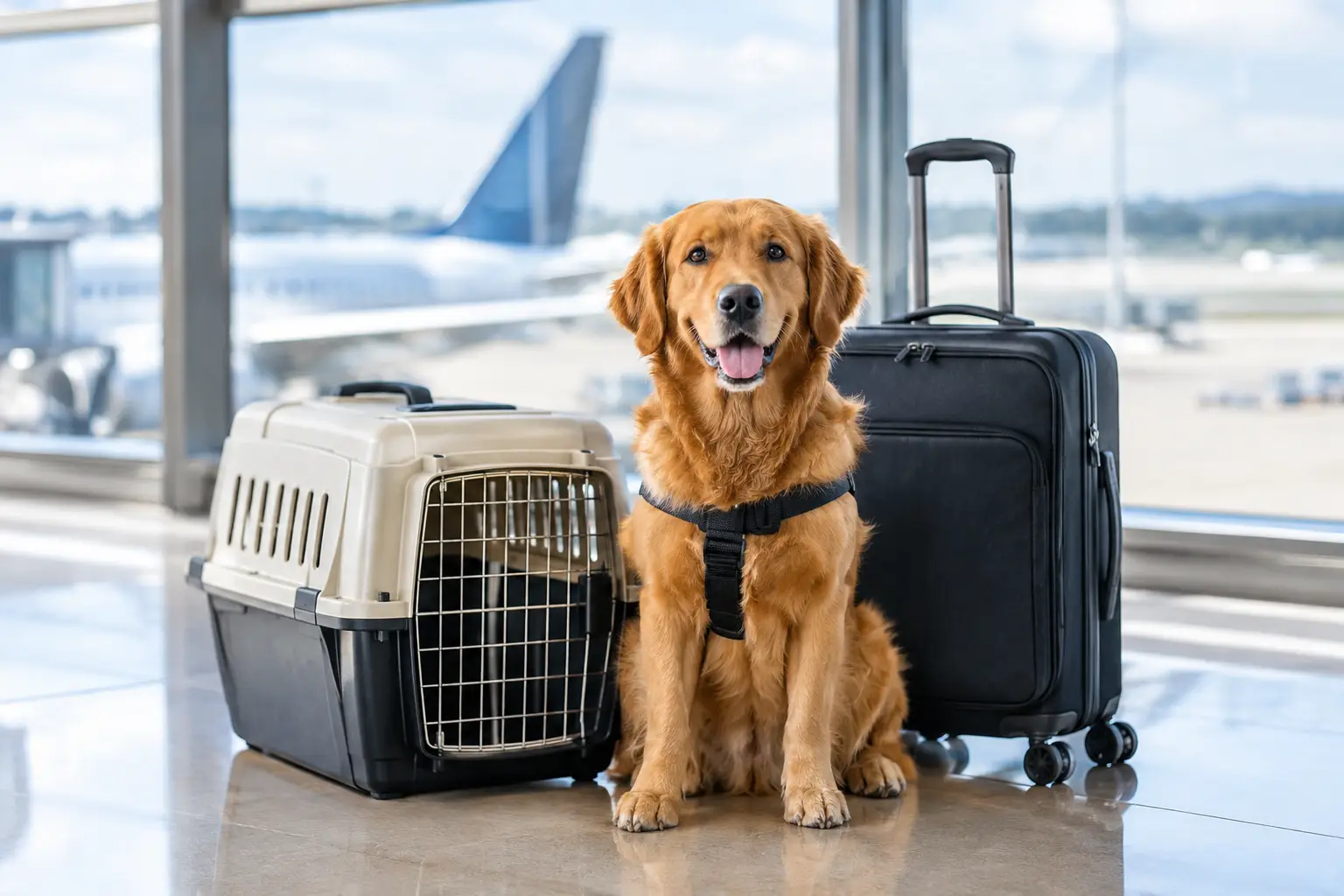
A pet can be cleared for travel at the veterinary clinic and still be delayed at the airport. One mismatched microchip number, an endorsement completed too early, a full flight, or an overlooked transit rule can stop a carefully planned move at the check-in counter. Knowing how to avoid pet travel delays means treating the journey as a coordinated compliance process, not simply booking a flight.
For families moving internationally, delays can be stressful for everyone involved. They may lead to missed connections, additional kennel time, unexpected customs holds, or the need to reschedule an entire itinerary. The good news is that most preventable delays have the same causes: timing, documentation, airline capacity, and destination-specific rules.
Start Planning Earlier Than Feels Necessary
International pet travel has several timelines running at once. Your pet may need a current rabies vaccination, a microchip, laboratory testing, parasite treatments, an import permit, an official health certificate, and government endorsement. These steps cannot always be completed in the order or timeframe an owner expects.
Some destinations require rabies antibody testing, often called a FAVN or titer test, followed by a waiting period before entry. A new rabies vaccination may also trigger its own waiting period, especially if a prior vaccine has expired. If your destination has these rules, booking a flight first can create unnecessary pressure.
Begin by working backward from the date your pet must arrive. Confirm the destination’s entry rules, the airline’s requirements, and any transit-country restrictions before committing to a route. For relocations involving Central America, the United States, or multiple connections, allow extra time because requirements can differ at every border.
How to Avoid Pet Travel Delays With Accurate Documents
Paperwork is the most common reason a pet is held at check-in, cargo acceptance, or customs. The documents may all be present but still fail to meet the required format, signature, date range, or official endorsement standard.
Your pet’s microchip should be scanned and confirmed before every document is prepared. The microchip number must match exactly across vaccination certificates, laboratory records, health certificates, permits, and airline paperwork. A single transposed digit can force a correction at the worst possible moment.
Check validity windows, not just expiration dates
A health certificate is not valid indefinitely. Many countries and airlines require it to be issued within a narrow number of days before arrival or departure. Government endorsements can also have timing requirements. A certificate completed too far in advance may be invalid, while one completed too late may not leave enough time for endorsement.
Vaccination records deserve the same attention. Confirm the vaccine product, administration date, validity period, veterinarian details, and microchip number are all recorded clearly. If a destination requires a rabies vaccine to be administered after microchipping, the order matters.
Keep original documents organized in a travel folder, with clear copies available for reference. Digital backups are useful, but border officials and airline staff may require original signed paperwork. Do not pack the document folder inside checked luggage or attach it to the kennel where it could be separated from you.
Confirm permits and government endorsements early
Some countries require an import permit before travel, while others require veterinary certificates to be endorsed by a government authority. These are not administrative details to leave until the final week. Processing times can vary, and public holidays, staffing changes, or incomplete applications can slow approval.
If your dog is traveling to the United States from a country categorized as high risk for dog rabies, additional U.S. CDC requirements may apply. These rules can involve advance approvals, specific documentation, and designated arrival procedures. Confirm the current requirements based on your dog’s travel history, not only its country of departure.
Choose Flights Around Your Pet’s Needs
The fastest route is not always the most reliable route. A tight connection may work for passengers carrying luggage, but pets traveling as checked baggage or air cargo need enough time for secure transfer, facility handling, and any required inspection.
When possible, choose an itinerary with fewer connections and avoid very short layovers. Direct flights reduce the number of handoffs, but they are not automatically the best option if weather, seasonal restrictions, or local handling capabilities create other concerns. The right route depends on your pet’s size, breed, health, travel crate, season, and destination rules.
Airline pet capacity is limited. Airlines may restrict the number of animals accepted on a flight, limit pet travel during extreme temperatures, or decline certain breeds and kennel types. A human passenger reservation does not guarantee that a pet has been accepted. Obtain written confirmation of your pet’s booking and reconfirm it shortly before departure.
Be careful with code-share and transit flights
A flight sold under one airline’s number may be operated by another carrier with different animal-travel rules. This can affect kennel specifications, booking procedures, breed restrictions, and acceptance deadlines. Verify the operating carrier, not just the airline shown on the booking screen.
Transit countries can also create unexpected complications. Even when a pet does not leave the airport, local rules may affect handling, documentation, or the ability to transfer between airlines. A route that looks efficient on paper can become risky if the transit station cannot accommodate your pet’s connection.
Prepare the Travel Crate Well Before Departure
A crate that does not meet airline standards can stop travel at cargo acceptance. Airlines generally require a hard-sided, ventilated kennel that allows the pet to stand without crouching, turn around, and lie down naturally. The kennel must also be secure, undamaged, and appropriate for the pet’s size.
Do not wait until travel week to introduce the crate. Help your pet see it as a familiar resting place by leaving it open at home, adding comfortable bedding where permitted, and offering calm, positive crate time. This preparation supports your pet’s welfare and reduces the chance that anxiety creates problems on travel day.
Airlines may have detailed rules for fasteners, water containers, absorbent material, labels, and attached documentation. Food, toys, and bedding policies can vary, so confirm what is permitted for the specific airline and route. Avoid making last-minute crate modifications without checking whether they comply.
Build a Buffer Into Travel Day
Arrive earlier than you would for a standard passenger flight. Pet check-in may include document review, crate inspection, weighing, security procedures, and transfer to a separate cargo facility. Some airlines have pet-specific acceptance cutoffs that are earlier than passenger check-in deadlines.
Before leaving home, offer your pet a normal opportunity to relieve itself and provide water. Follow veterinary guidance on feeding and medications. Sedation is generally discouraged for air travel unless specifically advised by a veterinarian, because it can affect a pet’s balance, breathing, and ability to regulate body temperature.
Have a practical backup plan. Save the contact details for the airline, your veterinarian, the destination contact, and anyone arranging ground transportation. If weather or an operational issue disrupts the flight, quick communication can help protect your pet’s comfort and prevent paperwork from falling outside its validity window.
Coordinate Customs and Arrival Handling
A flight landing on time does not guarantee an immediate release. Customs or agricultural inspection may need to review original documents, scan the microchip, examine the pet, or verify that import conditions were met. In some destinations, pets must arrive through a particular airport or be collected from a cargo terminal rather than the passenger baggage area.
Arrange arrival handling in advance, especially if you are unfamiliar with the airport or arriving after a long international journey. Confirm who will meet the pet, where clearance occurs, what identification is required, and how transport will be handled after release. A prepared arrival plan prevents a compliant pet from waiting unnecessarily in an unfamiliar facility.
For complex international moves, professional coordination can provide valuable protection against avoidable gaps between veterinary preparation, airline acceptance, customs clearance, and final delivery. Planet Pet Relocation helps families manage these connected steps with a plan tailored to the pet, route, and destination.
Your pet does not need a perfect journey to have a safe, well-supported one. Give the process time, verify each requirement against the actual route, and leave room for the small surprises that travel can bring. A calm handoff begins long before the airport.

