

How to Import Dog to El Salvador
May 28th, 2026 | Uncategorized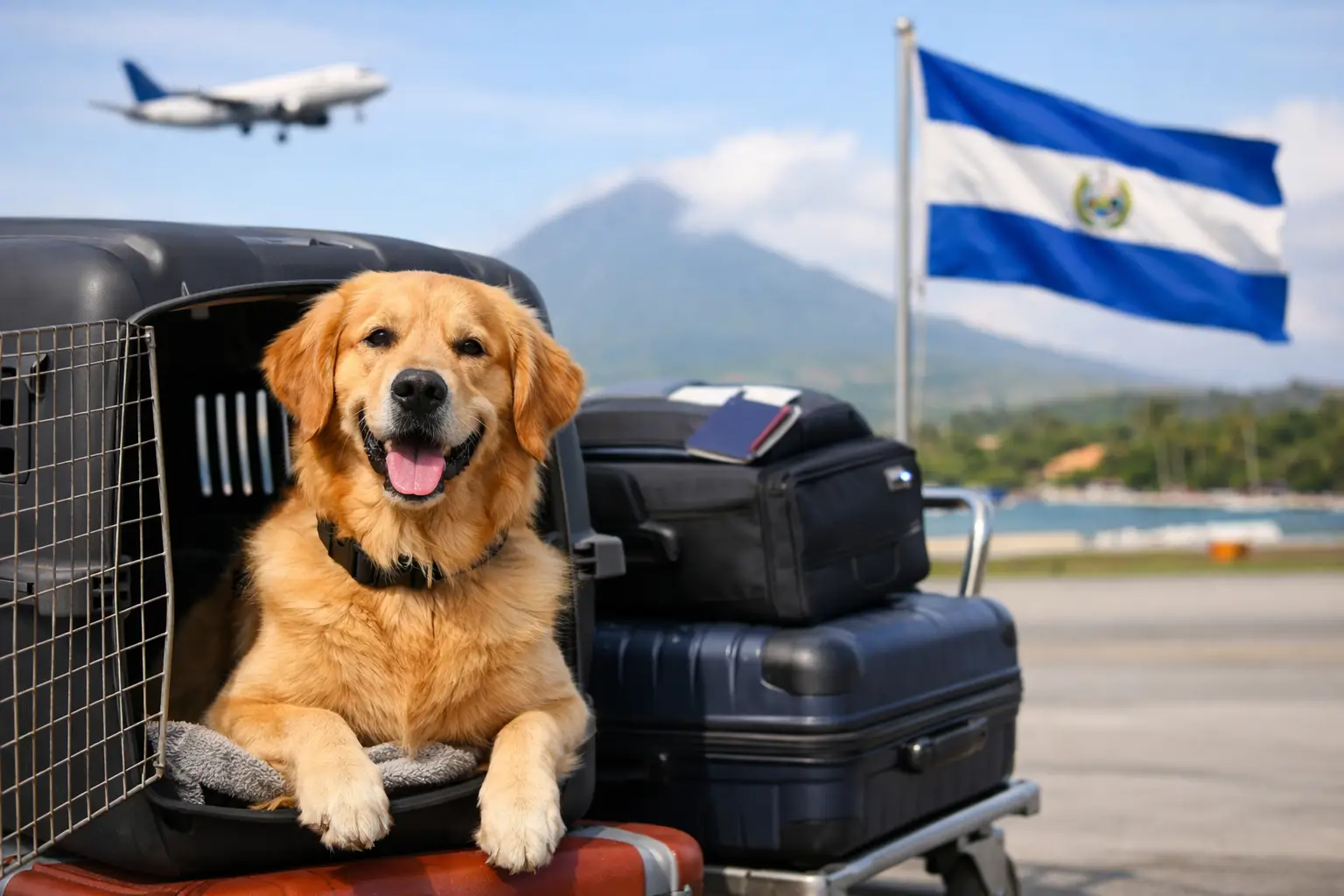
Moving internationally is stressful enough without finding out your dog is missing one document at check-in. If you need to import dog to El Salvador, the process is manageable, but only when the paperwork, timing, and flight plan all line up correctly. A small mistake can lead to delays, extra kennel time, or problems at arrival, which is why preparation matters as much as the flight itself.
For most families, this is not just a shipping task. It is a reunion plan for a member of the family. That means the goal is not simply getting your dog on a plane. The goal is making sure your dog arrives safely, meets entry requirements, and moves through the airport and customs process with as little stress as possible.
What it takes to import dog to El Salvador
El Salvador requires dogs to arrive with the right veterinary documentation and within the proper timeframes. In practice, that usually means coordinating your dog’s vaccination records, veterinary health certificate, and travel booking so that none of the documents expire before departure or arrival.
The exact requirements can shift based on where your dog is traveling from, whether there are airline-specific restrictions, and whether your pet is flying as manifested cargo or under another approved travel method. That is one reason pet owners often run into trouble after being told the move is “simple.” It can be simple for a straightforward route with flexible timing. It becomes less simple when there is a connection, a breed restriction, a short travel window, or a last-minute relocation.
A good plan starts with three questions. Where is your dog departing from? What airline and route are available for that origin? And how much time do you have before the move? Those answers shape everything else.
Documents your dog may need
The foundation of any international pet move is compliant documentation. For El Salvador, pet owners should expect to prepare current vaccination records and an endorsed health certificate when required for the route. Rabies vaccination status is especially important, and the dates on that record need to be valid for travel.
Your veterinarian may also need to confirm that your dog is free from contagious disease and fit to fly. That sounds routine, but timing is often where problems start. Many health certificates are only valid for a short period. If the flight changes or the airline delays acceptance of the booking, you may need to repeat paperwork.
This is also where details matter. The dog’s name, breed, age, microchip information if applicable, owner details, and destination information should match across records. A mismatch that looks minor on paper can cause questions from airline staff or border officials.
If your dog is traveling from the United States or another country with its own export controls, there may be additional steps before departure. That can include endorsement procedures or extra handling for dogs returning from or transiting specific countries. Import requirements and export requirements are not the same thing, and many owners do not realize they must satisfy both sides of the trip.
The health timeline matters more than most people expect
One of the most common issues when families import a dog to El Salvador is assuming they can gather paperwork at the end. In reality, the timeline should be built backward from the travel date.
Vaccinations may need to be given within a certain window. The health certificate may need to be issued close to departure. Airline space for pets may be limited on your preferred route. During hotter months, temperature restrictions can reduce available flights, especially for dogs traveling in the hold. If your dog is a snub-nosed breed or a large breed, route options may narrow even further.
That is why a realistic travel plan should account for document timing, crate readiness, airport handling, and backup options. If one part moves, the rest of the plan may need to move too.
Choosing the right flight method
Not every dog can travel the same way, and not every airline handles pets with the same level of consistency. Some dogs may be eligible to travel under one method while others must travel as manifested cargo depending on size, route, destination rules, and carrier policies.
This is not just a booking question. It affects airport procedures, drop-off times, crate standards, customs coordination, and who can receive the dog at arrival. For some families, a direct route is the best choice even if it means adjusting the human itinerary. For others, the safest plan may be a carefully managed connection with the right layover timing and pet handling support.
There is always a trade-off. The shortest route is not automatically the best route if it creates a tight connection, a paperwork risk, or an airport transfer with limited pet support. A slightly longer itinerary may offer better welfare conditions and smoother handling.
Crate preparation is part of compliance
A travel crate is not an afterthought. It is part of your dog’s travel environment and, in many cases, part of airline compliance. The crate usually needs to meet airline standards for ventilation, size, labeling, and construction. Your dog should be able to stand naturally, turn around, and lie down comfortably.
Just as important, your dog should be familiar with the crate before travel day. A compliant crate does not help much if your dog panics once inside it. Crate training in the weeks before departure can make a meaningful difference in stress levels. Dogs that see the crate as a safe place generally travel better than dogs introduced to it at the airport.
Food and water planning also need attention. Some airlines have specific instructions on water bowls, absorbent bedding, and attached documents. Those details can seem minor until check-in staff refuse the kennel for not meeting a requirement.
Arrival and customs in El Salvador
After landing, your dog still needs to clear the arrival process properly. Depending on the route and arrival setup, that may involve document review, customs handling, inspection, and coordination for release. This is often the part owners think will be quick, but airport procedures can vary, and delays are possible if paperwork is incomplete or the receiving process has not been organized in advance.
If you are arriving yourself on the same day, the sequence matters. If your dog is traveling separately or as cargo, someone may need to be available to manage collection and formalities. It is best not to assume the airline, customs officials, and airport handlers will solve every handoff automatically.
This is where hands-on planning becomes especially valuable. A well-managed arrival reduces waiting time, confusion, and stress for both the pet and the family.
Common reasons pet moves go off track
Most failed or delayed pet import plans do not fall apart because of one dramatic issue. They usually go off track because of a chain of smaller misses. A health certificate is issued too early. A rabies record contains inconsistent information. The crate is the wrong size. The airline booking is requested before documents are ready, then expires. The family books its own flight before confirming the pet route.
Heat embargoes and seasonal airline changes are another frequent problem. A route that worked last month may not be available next month. The same is true for country-specific rule changes. Pet travel is one of those areas where old advice can be misleading very quickly.
That is why families relocating with pets benefit from current, route-specific guidance rather than generic checklists copied from forums or outdated travel posts.
When professional support makes the difference
Some pet owners can manage the process themselves, especially if the route is direct, the timing is flexible, and the dog’s profile is straightforward. But many relocations are not that simple. Large dogs, short timelines, multi-country moves, customs handling needs, and airline coordination can turn a manageable task into a high-risk one.
Professional support is most useful when the cost of a mistake is emotionally high. If your dog is part of a household relocation, a government posting, a corporate move, or a family reunion, delays can affect everything from temporary housing plans to your own travel schedule.
A service partner should do more than list requirements. They should help sequence the process, confirm document timing, coordinate the route, prepare for contingencies, and stay communicative when plans shift. That combination of compliance and care is what gives families confidence during a move.
For pet owners moving into Central America, regional experience can matter because airport handling, customs expectations, and route practicality are not always obvious from airline websites alone. Companies such as Planet Pet Relocation focus on exactly this kind of coordination, helping families move pets with more clarity and less guesswork.
A calmer way to approach the move
If you need to import dog to El Salvador, start earlier than you think you need to. Confirm the route before finalizing assumptions about timing. Review every document for consistency. Treat the crate as part of the preparation, not just equipment. And if your move includes tight deadlines or special handling, get support before the paperwork clock starts running.
Your dog does not care how many forms were filed correctly. Your dog cares about arriving safely and getting back to you. That is the standard worth planning for.

